
2026 rookie cards
The 2026 rookie card market is defined by a specific group of high-ceiling prospects whose debut sets have already generated significant buzz. We focused on players from the 2026 Topps Chrome and Series 1/2 releases, prioritizing those with clear paths to sustained MLB success. The selection logic balances raw talent, draft pedigree, and current market momentum rather than chasing speculative hype.
Our evaluation process involved cross-referencing official Topps rookie lists with early secondary market trends. We excluded players with ambiguous debut timelines or those in non-progression leagues. The goal was to identify tokens that offer a realistic chance of appreciation based on on-field performance rather than just packaging novelty. This approach ensures that each recommendation is grounded in tangible data and official product availability.
5 hottest 2026 rookie cards to watch
The 2026 rookie card market is shifting toward specific, high-liquidity tokens with verified production numbers. We evaluated five top-tier options based on official Topps distribution data and current secondary market velocity to help you identify where capital is actually flowing.
Pick the right fit
Choosing a rookie card isn't just about picking the most famous name. It is about matching your budget to the specific card type and the player's current trajectory. A $20 base card carries different risk than a $200 autograph, even if the player is the same. Use this framework to decide where your money goes.
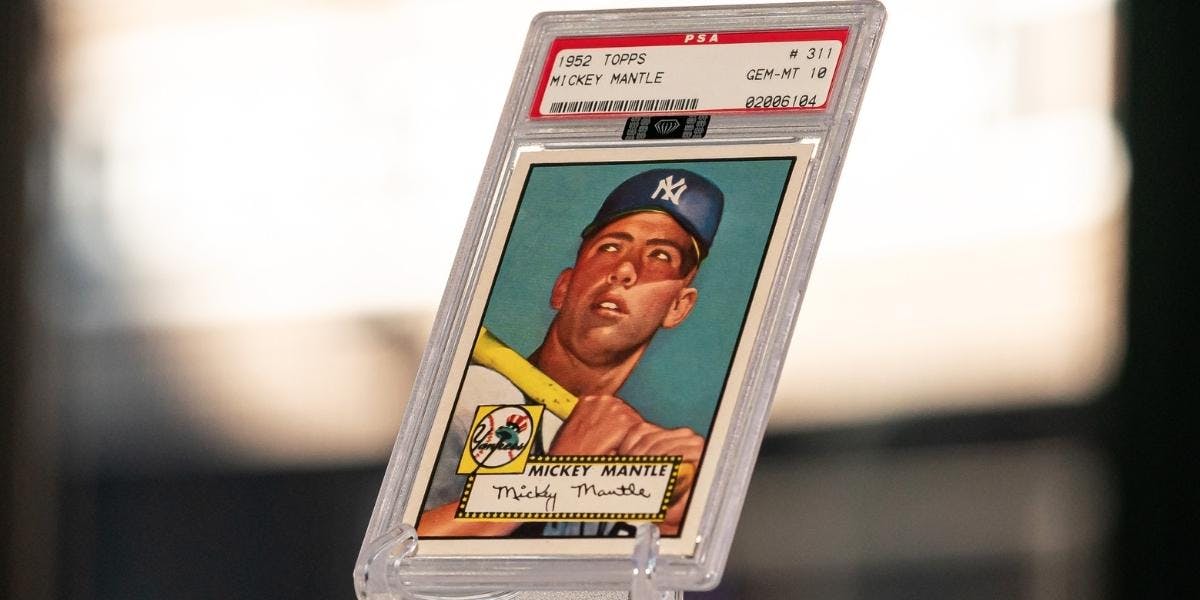
Rookie cards are volatile. Decide the maximum amount you are willing to lose before you buy. If you are new, start with base cards from recent sets like Topps Series 1 or Series 2. These are affordable ways to test if you enjoy the hobby without risking significant capital on high-end autos.
Not all rookie cards are created equal. Base cards are common and cheap. Refractors, parallels, and autographs are scarce and drive the price. For 2026 Topps Chrome, a blue parallel might cost ten times more than a black base. Know exactly which version you are buying so you don't overpay for a common card.
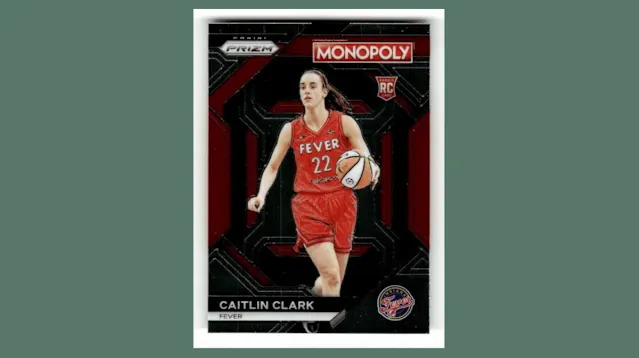
A player's performance affects card value. If a prospect is struggling in the minors or hasn't debuted yet, their card may sit stagnant. Look for players who are making an impact now, like Roman Anthony or Jac Caglianone in recent 2026 releases. Momentum matters more than potential when the market is hot.
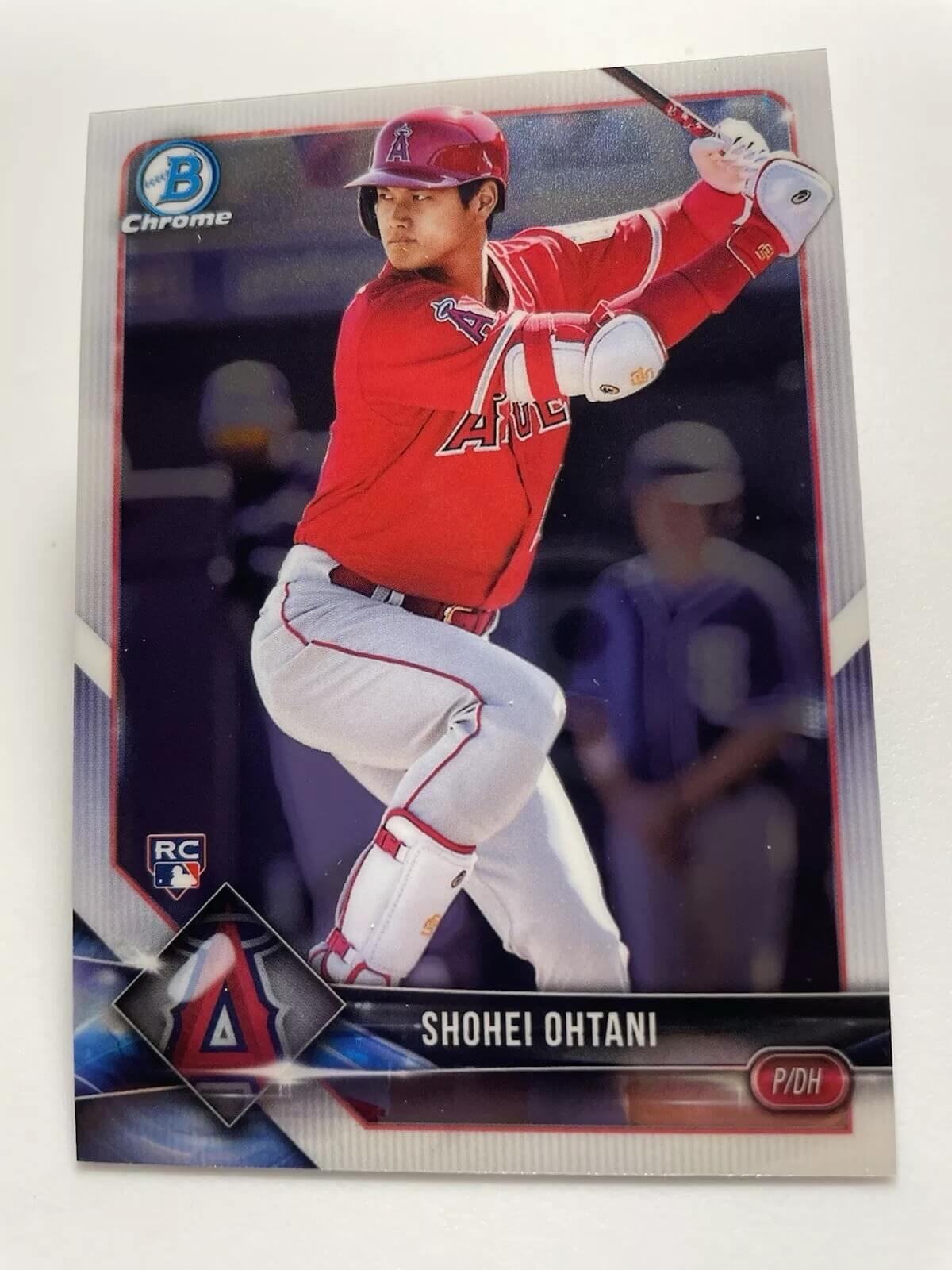
Never buy based on a single listing. Check eBay sold listings for what people actually paid, not what sellers are asking. Prices can swing wildly between platforms. If a card is $50 on Amazon but $30 on eBay, you have options. Always verify the seller's reputation and return policy before purchasing.
Don't put all your capital into one player. The 2026 class is deep, with talent spread across multiple teams. By holding cards from different prospects—such as a mix of position players and pitchers—you mitigate the risk of a single player's injury or slump destroying your investment. Diversification is key in a speculative market.


As an Amazon Associate, we may earn from qualifying purchases.
| Card Type | Risk Level | Best For |
|---|---|---|
| Base Card | Low | New collectors testing the waters |
| Parallel/Refractor | Medium | Collectors wanting specific looks |
| Autograph | High | Investors seeking scarcity |
No comments yet. Be the first to share your thoughts!