
2026 rookie cards budget
Rookie Card Boom works best when the purchase path is explicit. Verify the source, compare the offer against real alternatives, check the total cost, and confirm what happens after payment before you decide. After each comparison, write down the one risk that would change your mind. If the seller, condition, support, warranty, shipping, or upkeep still feels uncertain, resolve that question before moving to checkout.
The simplest way to use this section is to verify the seller, compare the total cost, and resolve the biggest risk before you commit.
Shortlist real options
Use this section to make the Rookie Card Boom decision easier to compare in real life, not just on paper. Start with the reader's actual constraint, then separate must-have requirements from details that are merely nice to have. A practical choice should survive normal use, maintenance, timing, and budget. If a recommendation only works in an ideal situation, call that out plainly and give the reader a fallback path.
| Factor | What to check | Why it matters |
|---|---|---|
| Fit | Match the option to the primary use case. | A good deal still fails if it does not fit the job. |
| Condition | Verify age, wear, and service history. | Hidden condition issues erase upfront savings. |
| Cost | Compare purchase price with likely upkeep. | The cheapest option is not always the lowest-cost option. |
Inspect the expensive parts
Use this section to make the Rookie Card Boom decision easier to compare in real life, not just on paper. Start with the reader's actual constraint, then separate must-have requirements from details that are merely nice to have. A practical choice should survive normal use, maintenance, timing, and budget. If a recommendation only works in an ideal situation, call that out plainly and give the reader a fallback path.
-
Verify the basicsConfirm the core specs, condition, and fit before comparing extras.
-
Price the downsideLook for the repair, maintenance, or replacement cost that would change the decision.
-
Compare alternativesCheck at least two comparable options before treating one listing as the benchmark.
Plan for ownership costs
A low purchase price often masks the hidden expenses of building a 2026 rookie card collection. Buying a cheap slab or raw card is only the first transaction. The real cost comes from protecting that investment over time, especially when market conditions shift. Without a budget for maintenance, a $50 card can easily cost $150 to store properly.
Slabbing and Authentication Fees
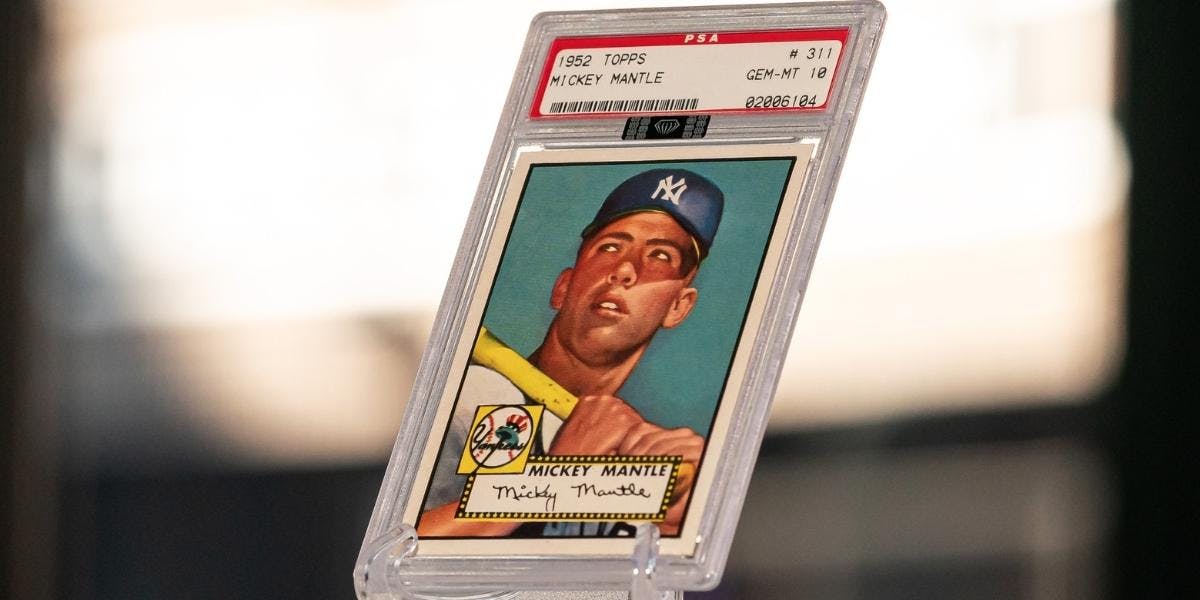
For high-value 2026 MLB and NBA rookies, third-party grading is non-negotiable. Services like PSA, BGS, and SGC charge base fees that scale with declared value. A standard slab for a $100 card might cost $25–$40, but if you declare higher value for insurance, fees jump significantly. Rush services add another layer of cost. If you buy a card raw to save money, budget for the grading fee before you even factor in the card's price.
Storage and Insurance
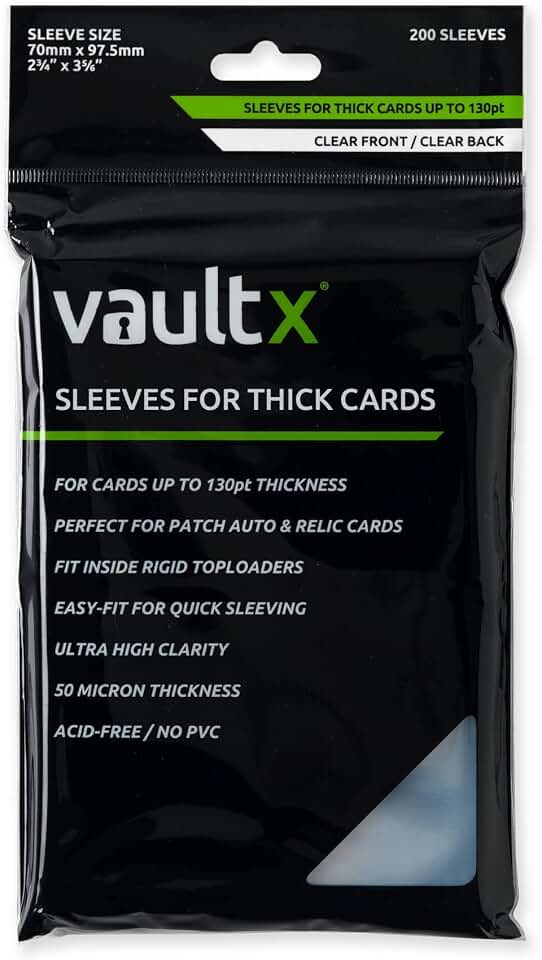
Cards degrade quickly in standard plastic sleeves due to humidity and temperature swings. For 2026 rookies, you need top-loaders, penny sleeves, and rigid holders. A single binder page holds only a few cards; a full collection requires expensive storage boxes or a safe. Insurance riders on homeowner’s policies often have low caps for collectibles. If your collection exceeds $1,000, you may need a separate rider, adding a yearly premium that eats into potential profits.
The "Cheap Buy" Trap
It is tempting to buy ungraded 2026 rookies in bulk to lower your entry cost. However, if a card turns out to have a centering issue or a surface flaw, its value drops to near zero. You cannot resell a flawed raw card easily. Always factor in the cost of verification. If you are unsure about a card's condition, the grading fee is cheaper than the loss of capital.


As an Amazon Associate, we may earn from qualifying purchases.
2026 rookie cards: what to check next
Navigating the 2026 rookie market requires separating hype from tangible value. Whether you are targeting MLB prospects like Roman Anthony or NBA phenoms like Cooper Flagg, understanding the specific product sets and market drivers is essential for making sound investment decisions this season.
What rookie cards to look for in 2026?
The most sought-after rookies in 2026 include Cooper Flagg (NBA), Fernando Mendoza (NFL), and Roman Anthony (MLB). Investors should prioritize high-end parallel sets like Topps Chrome or limited-edition autographed inserts, which typically hold value better than base cards. Look for players with proven college or minor-league performance and high national media exposure.
What rookies are in Topps 2026?
Topps 2026 Series 1 and Series 2 feature a deep roster of high-potential talent. MLB highlights include Max Clark (Tigers) and Jacob Misiorowski (Brewers). The NBA set prominently features Cooper Flagg, while NFL cards highlight top draft picks like Fernando Mendoza. These sets are widely available and serve as the baseline for most 2026 rookie collections.
Who is the best rookie in 2026?
Cooper Flagg is widely considered the premier rookie card investment in 2026 due to his historic college career and high NBA draft projection. His 2025-26 Topps Basketball cards are the most-talked-about across all sports. For baseball, Roman Anthony and Max Clark are the top targets, while Fernando Mendoza leads the NFL rookie card market.
What 2026 cards are worth money?
Cards worth significant money in 2026 are typically graded high (PSA 10 or BGS 9.5) and feature autographs or rare parallels. Base cards of top prospects like Flagg or Flagg are valuable only in pristine condition. Look for "First Edition" or low-print-number inserts. Avoid mass-produced base cards unless they are from highly collectible sets like Topps Chrome or Limited Edition releases.
No comments yet. Be the first to share your thoughts!