2026 rookie card buying guide
Investing in 2026 rookie cards requires a clear strategy: verify the seller, compare total costs, and resolve risks before checkout. This guide outlines how to inspect cards for defects, manage ownership expenses, and identify which 2026 Topps releases offer the best value.
Shortlist real options
Rookie card investing works best as a clear sequence: define your budget, compare realistic options, test the tradeoff, and choose the path with the fewest hidden costs. This order keeps the advice usable instead of decorative.
| Factor | What to check | Why it matters |
|---|---|---|
| Fit | Match the option to the primary use case. | A good deal still fails if it does not fit the job. |
| Condition | Verify age, wear, and service history. | Hidden condition issues erase upfront savings. |
| Cost | Compare purchase price with likely upkeep. | The cheapest option is not always the lowest-cost option. |
Inspect the expensive parts
High-value rookie cards are expensive because they carry the risk of hidden defects. A minor flaw that costs nothing to fix on a $5 card can destroy the value of a $500 investment. Before you commit capital, you need to verify the physical integrity of the card. This checklist focuses on the specific failure points that buyers and sellers often overlook until it is too late.
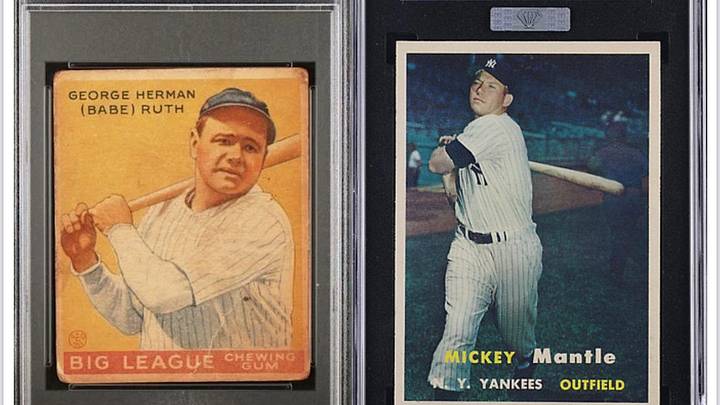
White edge wear is the most common and expensive defect to ignore. It happens when the card slides loosely in a sleeve or box, causing the paper core to show through the ink. Inspect the edges under bright light. If you see white streaks, the card has been handled roughly or stored poorly. This defect is permanent and significantly lowers resale value.
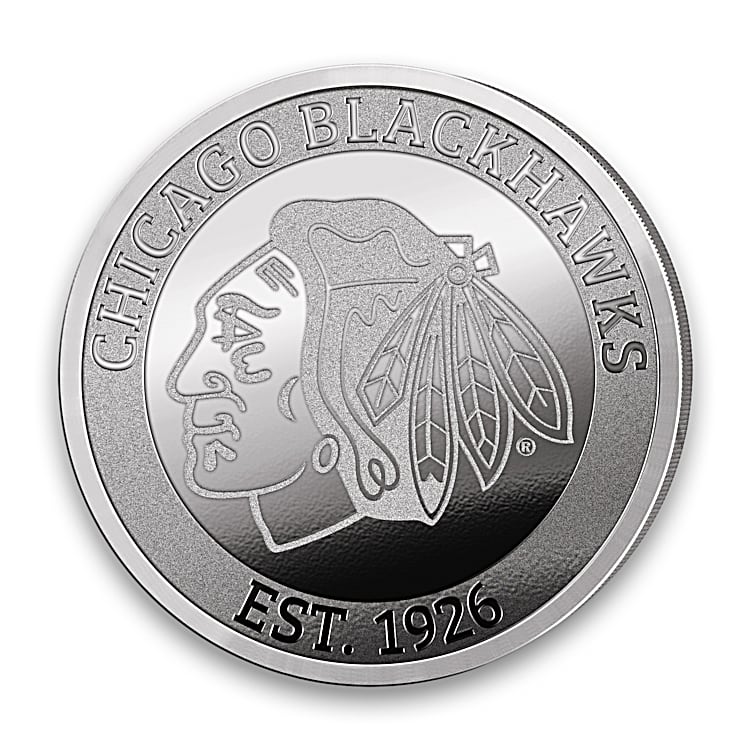
Centering determines whether a card qualifies for top-tier grading. If the front borders are uneven, the card may receive a lower grade from services like PSA or BGS. Hold the card up to a light source to see the borders on all four sides. A shift toward the player or the edge is common in mass-produced sets, but extreme shifts indicate a printing error that might actually add value if rare.
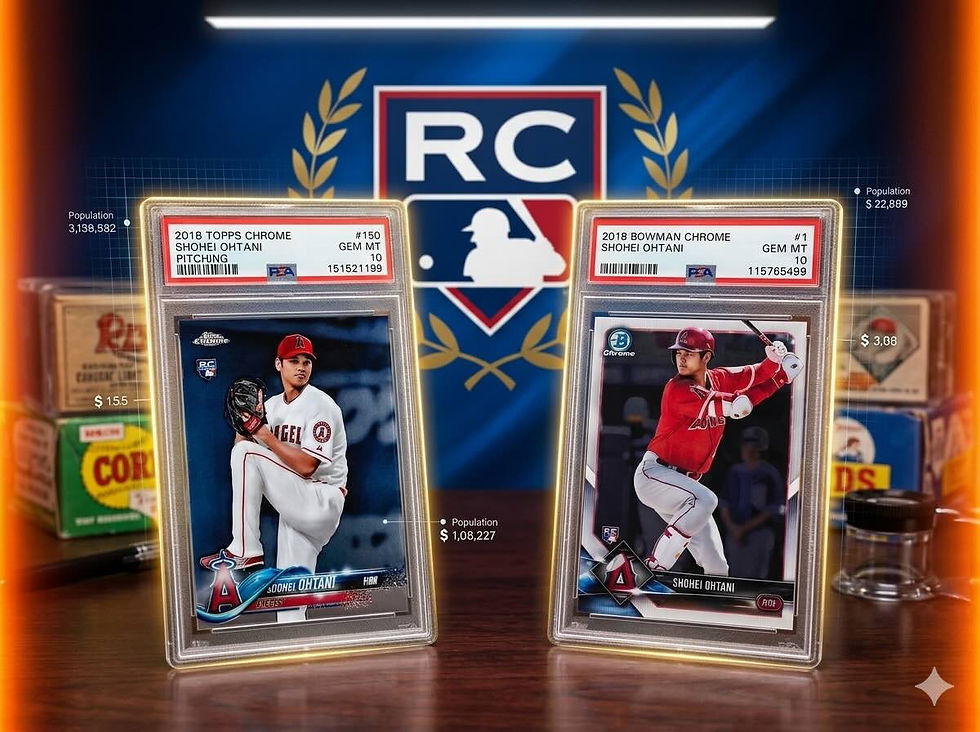
Surface flaws are subjective but critical for high-grade cards. Look for scratches, ink spots, or dull patches that disrupt the glossy finish. Tilt the card slowly to catch reflections. Even tiny scratches visible to the naked eye will be magnified by professional graders. For 2026 Topps rookies, a perfect gem mint 10 requires a flawless surface, so any visible imperfection drops the grade to an 8 or 9.
Sharp corners are non-negotiable for top-tier grading. Check all four corners for rounding, fuzziness, or white spots. Rounded corners often result from poor storage or handling. If the corners are not crisp and square, the card will likely receive a lower grade. This is especially important for autograph cards, where corner damage can obscure the signature.
Key Takeaways
- White edge wear is the most common defect and significantly reduces value.
- Centering shifts affect grading potential and should be checked under light.
- Surface gloss must be flawless for gem mint status.
- Sharp, square corners are required for top-tier grades.
Plan for ownership costs
A low purchase price rarely reflects the true cost of holding a sports token. Buying a cheap 2026 Topps rookie card for $5 sounds like a bargain, but storage and preservation expenses quickly erode that margin. If the card appreciates to $50, you have only made $45 after accounting for the overhead required to keep the asset intact.
Storage and Protection
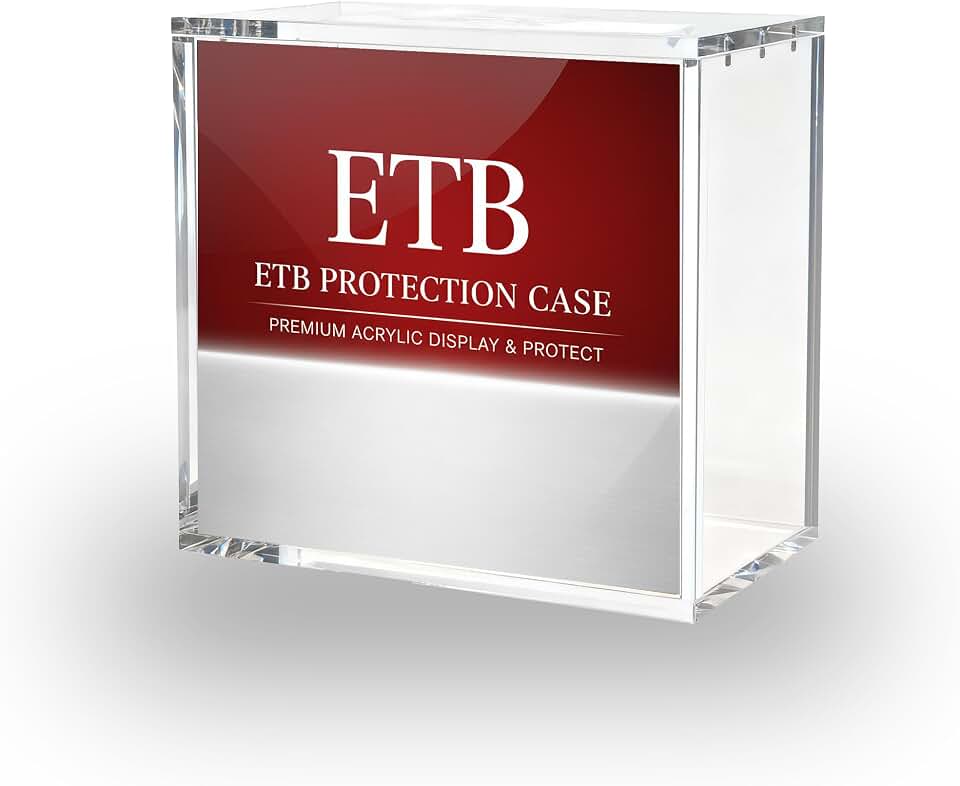
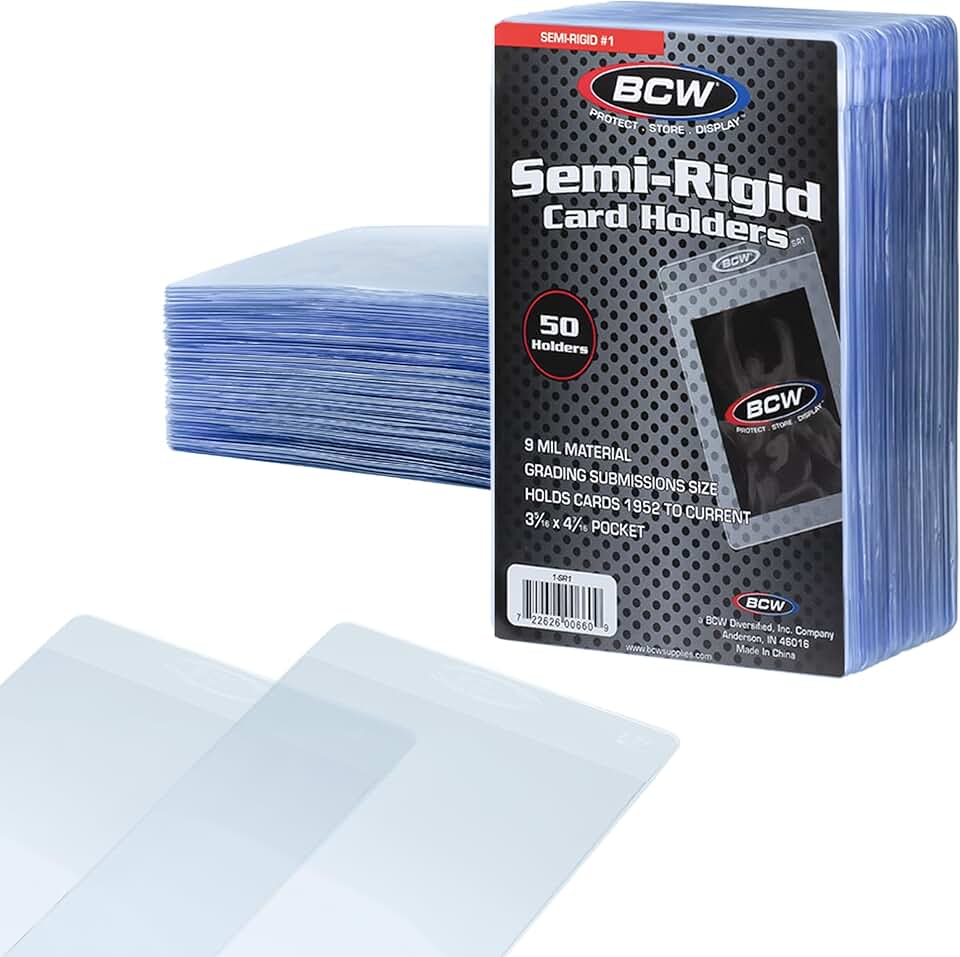
Raw cards degrade rapidly in humid or sunny environments. You need rigid top-loaders, penny sleeves, and a climate-controlled safe or safety deposit box. These supplies are not optional; they are the insurance policy for your investment. Without them, a single tear or water stain can reduce a high-potential prospect to zero value.
Grading Fees
Professional grading adds significant upfront costs. Sending a card to PSA or BGS typically costs between $25 and $60 per card, plus shipping and insurance. For a single mid-tier rookie, these fees can double your initial investment. Only grade cards with a realistic chance of reaching a premium tier (PSA 10 or BGS 9.5). Otherwise, the grading fee will outpace any potential profit.
The "Cheap Buy" Trap
A $2 card that sits in a drawer is still a $2 loss if it never sells. Instead of chasing the lowest entry price, focus on cards with high liquidity and clear demand. The 2026 Topps Series 1 and Series 2 releases feature high-profile prospects like Roman Anthony and Jac Caglianone. Cards featuring these players often maintain value better than obscure inserts, making them safer bets for long-term holding.

As an Amazon Associate, we may earn from qualifying purchases.
When to Sell
Timing your exit is just as important as managing costs. If a rookie card spikes immediately after a strong debut season, consider selling to cover your storage and grading fees. Holding for the long term requires confidence in the player’s career trajectory, not just their rookie year stats. Always calculate your net profit after subtracting all ownership costs before making a sale.
2026 rookie cards: what to check next
Before committing capital to the 2026 rookie card market, it helps to separate hype from actual market value. The rookie card landscape moves fast, and knowing which sets and players drive demand can save you from overpaying for base cards that lack scarcity.
What rookie cards to look for in 2026?
Focus on players with high minor-league performance data and strong draft pedigree. In 2026, names like Roman Anthony, Jac Caglianone, and Jonah Tong are drawing significant attention from collectors due to their offensive potential. Look for autograph parallels and short-print variants in Topps Series 1 and Chrome, as these subsets typically hold value better than standard base cards.
Who are the best rookies in 2026 Topps?
Topps Series 1 and Series 2 are the primary releases to watch. Key prospects include Trey Yesavage and Tatsuya Imai in Series 2, who are generating early market interest. While base cards are abundant, the investment-grade pieces are the refractors and auto inserts. Prioritize cards from players who have shown consistent power or elite defensive stats in the minors.
What cards are coming out in 2026?
Topps releases Series 1 in the spring, followed by Series 2 in the summer. Chrome releases typically follow the main series with a month delay. These sets introduce the primary rookie cards for the upcoming MLB season. Later in the year, Bowman and other licensed sets will release, but Topps remains the primary source for MLB-licensed rookie cards.
What 2026 Topps cards are worth the most?
Value is driven by scarcity and player performance. Rookie autographs, particularly those in low-numbered parallels (like /99 or /25), command the highest prices. Base cards of proven stars like Ronald Acuna Jr. (if he appears in rookie sets) or top draft picks can be profitable if bought at retail. Always check recent sold listings on eBay to gauge real market value rather than asking prices.
No comments yet. Be the first to share your thoughts!