2026 rookie cards budget
Building a 2026 rookie card collection requires balancing entry-level accessibility with long-term growth potential. The 2026 Topps Series 1 and Series 2 sets serve as the primary market anchors, offering a mix of high-ceiling prospects and stable foundational assets. Roman Anthony, Jac Caglianone, and Trey Yesavage represent the premier tier of this cycle, drawing significant attention from serious investors.
Budget collectors should focus on base and parallel versions of these names before prices escalate. While autograph and relic cards command higher premiums, base rookies provide a lower-risk entry point for those testing the market. Condition remains a critical variable; a near-mint base card is far more liquid than a damaged premium insert.
The following table compares the top rookie prospects identified by Topps and major market trackers, highlighting their primary appeal for different budget tiers.
| Player | Budget Tier | Primary Focus |
|---|---|---|
| Roman Anthony | High | Base/Parallel rookies |
| Jac Caglianone | Mid | Base cards & low-numbered parallels |
| Trey Yesavage | Mid | Base cards |
| Payton Tolle | Low-Mid | Base cards |
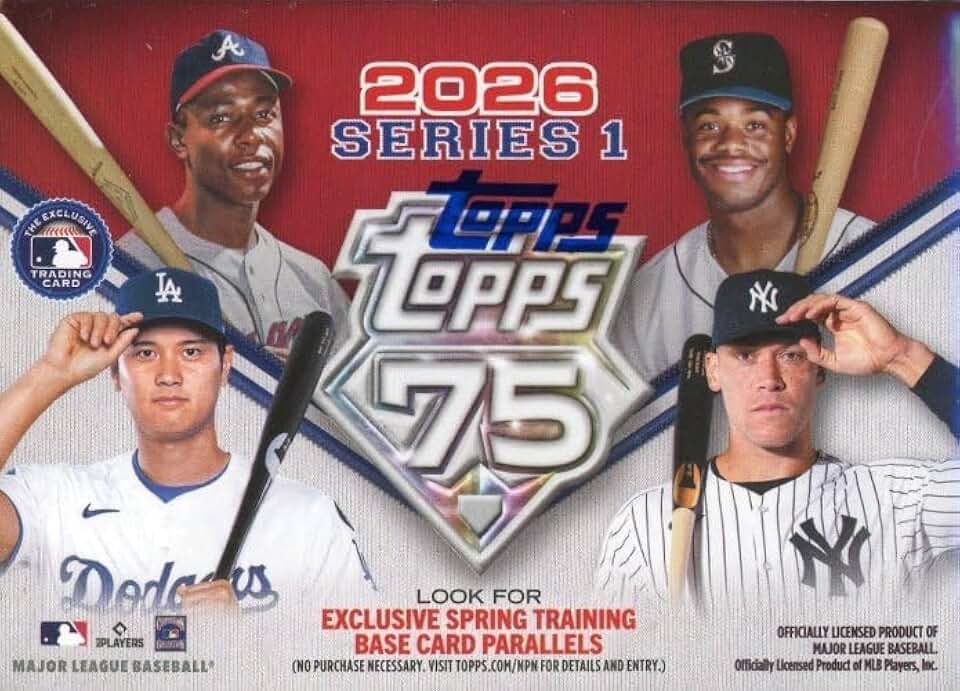
For those seeking specific products, the 2026 Topps Series 1 Baseball Hobby Box remains the standard starting point for accessing these rookies. Below are recommended products to consider for your 2026 collection.

As an Amazon Associate, we may earn from qualifying purchases.
When setting a budget, allocate funds for both the initial purchase and proper storage. A simple binder or top-loaders protects your investment from the wear that significantly devalues cards. Avoid overpaying for hype-driven inserts unless you have a specific target player in mind; the base card market for these 2026 rookies is where the most consistent value lies for new collectors.
Shortlist real options
The 2026 rookie card market is defined by a split between established baseball prospects and high-ceiling football newcomers. Baseball remains the volume leader, with Topps Series 1 and Series 2 driving the majority of collector attention. Football cards, particularly from premium sets like Pro Draft, offer higher volatility but can deliver significant returns if the player reaches the NFL.
When evaluating which cards to buy, focus on the player's draft position and current prospect ranking. For baseball, look for first-round picks or top college performers who are nearing MLB call-ups. For football, prioritize quarterbacks and elite skill players who are projected to be early-round draft picks. Avoid chasing players with ambiguous professional trajectories or those stuck in minor league systems without clear promotion paths.
The following comparison breaks down the strongest 2026 rookie options across baseball and football. This table highlights the primary set, the key player prospects, and the specific card types that tend to hold value best in the secondary market.
Each category requires a different acquisition strategy. Baseball rookies benefit from the consistent annual release cycle of Topps, making Series 1 and Series 2 the most liquid assets. Football rookies, especially those from limited-edition sets like Pro Draft, often see sharper price swings based on NFL draft results and combine performance.
If you are building a long-term portfolio, diversify across both sports. Baseball provides stability through consistent demand, while football offers the potential for explosive growth if a top prospect becomes a franchise quarterback or dominant receiver. Always verify the authenticity of high-value cards, particularly autographs and graded copies, before committing capital.
Inspect the expensive parts
Rookie card values hinge on physical perfection and authentic provenance. A single manufacturing flaw can slash value by half, while a forged autograph turns a potential asset into a collector's liability. Treat every purchase like a due diligence process before you commit capital.
1. Check the corners and edges
Manufacturing defects are the most common value killers in modern production runs. Even a slight rounding of a corner or a minor edge whiting can drop a card from a Gem Mint 10 to a lower grade, significantly impacting resale potential. Use a magnifying glass to inspect the border alignment and surface gloss for any visible imperfections.
2. Verify the autograph
Authentication is non-negotiable for any card featuring a player signature. Look for holograms from reputable third-party authenticators or signatures that match known examples from established databases. If the card lacks a certification label, assume it is unsigned unless you can independently verify the source through official league records or the player's verified social channels.
3. Examine the surface for scratches
Surface flaws are often invisible to the naked eye but fatal to high-grade investments. Hold the card at a 45-degree angle under bright light to catch reflections that reveal scratches, scuffs, or printing dots. This step is critical for 2026 Topps Series 1 and Series 2 releases, where pristine examples of top rookies like Roman Anthony or Jac Caglianone command premium prices.
4. Confirm the serial number
For limited edition parallels, the serial number determines rarity and value. Check that the number is printed clearly and matches the edition size stated on the card. A misprinted or obscured serial number can render a rare parallel worthless to serious collectors, regardless of the player's performance.
5. Review the grading slab
If buying graded, inspect the slab for cracks, fogging, or improper centering that might indicate a poor grade. Ensure the label correctly identifies the card, the year, and the grading company. A mislabeled slab is a red flag that suggests potential fraud or significant oversight by the grading service.
Plan for ownership costs
A low purchase price often masks the hidden expenses of maintaining a collectible portfolio. Rookie cards are paper products sensitive to humidity, light, and physical handling. Without proper storage, a card that cost $20 today could degrade significantly within five years, wiping out any potential appreciation.
The most common surprise for new collectors is underestimating the cost of protective materials. A single top-loader and penny sleeve might cost $0.50, but securing a full box of 2026 Topps Series 1 or Series 2 rookies requires hundreds of supplies. Additionally, long-term holders typically pay for professional grading services to maximize resale value, a process that involves submission fees and insurance.
When a cheap buy stops being cheap, it is usually because the card was not stored correctly from day one. Avoid loose storage in binders or boxes where cards shift and bend. Instead, invest in rigid holders and climate-controlled storage immediately. The upfront cost of protection is far lower than the depreciation caused by environmental damage.


As an Amazon Associate, we may earn from qualifying purchases.
2026 rookie cards: what to check next
Before committing capital to 2026 rookie cards, it helps to separate hype from tangible value drivers. The market is shifting quickly, with new releases like Topps Series 1 and Series 2 introducing fresh faces alongside established prospect names. Understanding which cards are actually moving and why can prevent you from buying into overhyped short prints.
Here are the most common practical questions collectors ask before making their 2026 purchases.
No comments yet. Be the first to share your thoughts!