
Why 2026 rookie cards matter now
The 2026 baseball card market opens with a distinct advantage for new collectors and seasoned investors alike: the debut of the Topps Series 1 and Series 2 releases. These flagship sets serve as the primary entry point for capturing true rookie cards (RCs), which historically form the bedrock of long-term value in the hobby. Unlike prospect cards that appear in various insert sets or premium lines, the base card rookies in Series 1 and 2 are the definitive first appearances for the season's top talent, making them the most sought-after investment tokens for the year.
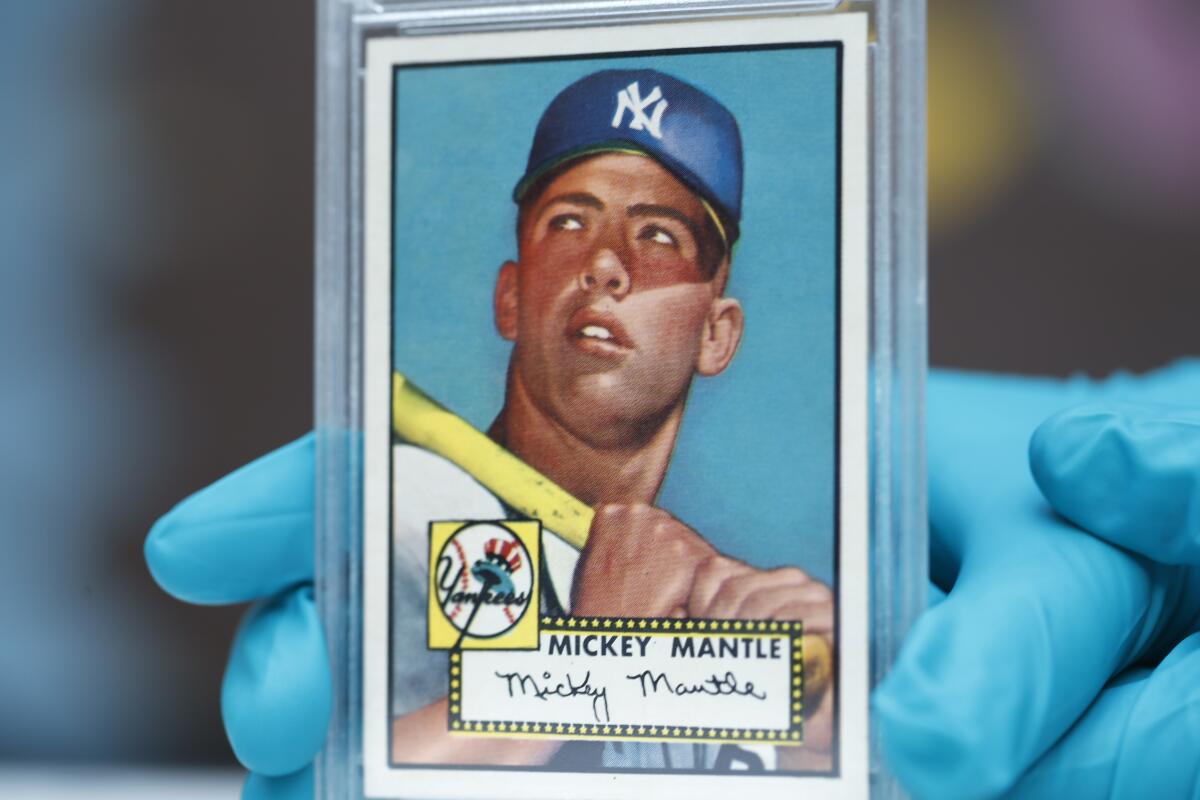
Scarcity drives the urgency. As Topps rolls out the 2026 series, the window to acquire ungraded, high-quality base rookies narrows significantly. Once the initial print runs are absorbed by hobbyists and institutional buyers, secondary market prices often spike unpredictably. The 2026 Topps Series 2 release, for instance, features rookies presented on the iconic 1952 Topps design, blending nostalgia with the fresh potential of new stars. This combination of iconic design and new player eligibility creates a unique convergence of demand that rarely repeats in the same form.
For those viewing cards as financial instruments, the 2026 season offers a clear roadmap. The "Base Card Rookie" designation in these sets is the standard benchmark for value appreciation. Expert hunters and market analysts are already tracking the initial distribution of Series 1, noting that the most promising investment opportunities lie in the base sets of these primary releases. By securing these cards at the point of origin, collectors position themselves to benefit from the natural market correction that occurs as supply diminishes and demand solidifies around the season's standout performers.
Top rookie cards from 2026 Topps Series 1
Use this section to make the Best Rookie Cards decision easier to compare in real life, not just on paper. Start with the reader's actual constraint, then separate must-have requirements from details that are merely nice to have. A practical choice should survive normal use, maintenance, timing, and budget. If a recommendation only works in an ideal situation, call that out plainly and give the reader a fallback path.
The simplest way to use this section is to write down the must-have criteria first, then compare each option against those criteria before weighing nice-to-have features.
Key rookies in 2026 Topps Series 2
Use this section to make the Best Rookie Cards decision easier to compare in real life, not just on paper. Start with the reader's actual constraint, then separate must-have requirements from details that are merely nice to have. A practical choice should survive normal use, maintenance, timing, and budget. If a recommendation only works in an ideal situation, call that out plainly and give the reader a fallback path.
The simplest way to use this section is to write down the must-have criteria first, then compare each option against those criteria before weighing nice-to-have features.
How to spot valuable parallels and inserts
Best Rookie Cards works best as a clear sequence: define the constraint, compare the realistic options, test the tradeoff, and choose the path with the fewest hidden costs. That order keeps the advice usable instead of decorative. After each step, pause long enough to check whether the recommendation still fits the reader's actual situation. If it depends on perfect timing, unusual access, or a best-case budget, include a simpler fallback.
The simplest way to use this section is to write down the real constraint first, compare each option against it, and choose the path that still works outside ideal conditions.
Helpful gear
Use these product recommendations as a starting point, then choose the size, material, and price point that fit how you actually use the gear.


As an Amazon Associate, we may earn from qualifying purchases.
No comments yet. Be the first to share your thoughts!