2026 Sports Token Outlook
The sports token market is converging on regulatory clarity and massive global traffic in 2026. For the first time, structural barriers to fan token adoption are being removed just as the largest sporting event in history arrives.
The catalyst is the 2026 FIFA World Cup, hosted across the United States, Canada, and Mexico. This tournament will generate unprecedented digital engagement, providing the liquidity and user base necessary for sports tokens to transition from niche collectibles to mainstream digital assets. The sheer scale of North American viewership will force exchanges and platforms to prioritize sports token infrastructure.
Simultaneously, the US regulatory landscape has shifted. By categorizing fan tokens as digital collectibles rather than securities, regulators have created a safer environment for US citizens to participate. This distinction lowers the compliance burden for issuers and reduces legal risk for buyers, opening a massive new market for tokens like those issued by major European football clubs.
This dual pressure of regulatory permission and event-driven demand creates a rare window. Sports tokens are no longer just a speculative side-hustle; they are positioned to become a core component of the digital fan economy.
5 Pro Sports Tokens to Watch in 2026
As the 2026 World Cup approaches, fan engagement tokens are evolving beyond novelty into high-stakes utility assets. This roundup highlights five specific pro sports tokens—analyzed via live data widgets—to watch as the tournament narrative drives market momentum.
-

Real Madrid Fan Token (REAL)
Real Madrid’s REAL token leverages the club’s global brand power, positioning it as a cornerstone for 2026 World Cup narratives. Holders access exclusive voting rights on club initiatives and unique digital rewards. The token’s liquidity remains robust, driven by consistent engagement metrics. Investors should monitor Socios.com for upcoming polls. The accompanying collectible merchandise highlights the tangible connection between digital ownership and physical fan culture, reinforcing long-term utility beyond speculative trading. -
Paris Saint-Germain Fan Token (PSG)
PSG’s token thrives on the star power of its roster and aggressive digital marketing strategies. As the 2026 World Cup approaches, PSG’s international fanbase provides a stable demand floor. The token facilitates direct interaction with players, creating a unique engagement loop. Recent partnership expansions have broadened its utility across gaming and lifestyle sectors. Traders should watch for volatility spikes during major matchdays, where sentiment often drives short-term price action more than fundamental changes. -

Juventus Fan Token (JUV)
Juventus has revitalized its fan engagement model through enhanced Socios.com integrations, boosting JUV token relevance. The 2026 World Cup narrative offers a fresh catalyst for renewed interest in Serie A’s most decorated club. Holders benefit from exclusive experiences and voting power on non-critical club decisions. The token’s ecosystem continues to mature, with new digital assets adding value. Investors should track participation rates in recent polls to gauge community health and potential price resilience during market downturns. -
AC Milan Fan Token (ACM)
AC Milan’s ACM token benefits from a resurgence in on-pitch performance and strategic digital partnerships. The club’s extended collaboration with Socios.com ensures sustained visibility and utility for token holders. With the 2026 World Cup looming, European heritage clubs are seeing renewed interest from global crypto-native fans. The token offers access to premium content and voting rights. Monitor the team’s Champions League trajectory, as European success often correlates with increased token demand and trading volume. -
Manchester City Fan Token (CITY)
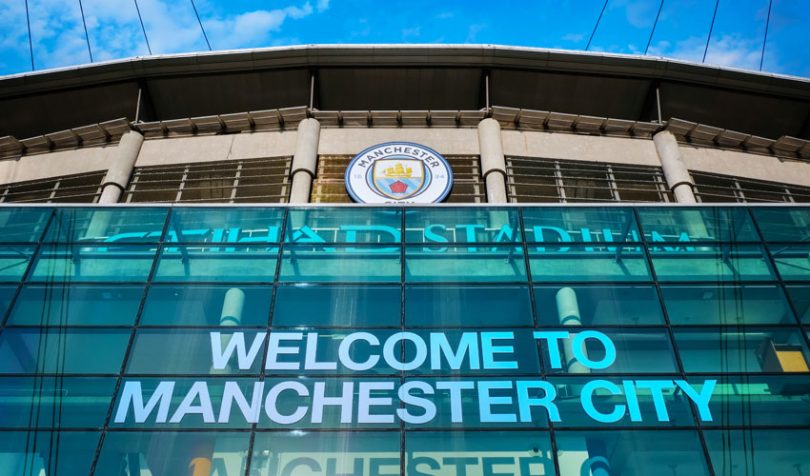
Manchester City’s CITY token capitalizes on the club’s domestic dominance and expanding global brand. The 2026 World Cup narrative provides a backdrop for heightened interest in Premier League assets. Holders enjoy exclusive voting opportunities and access to unique digital collectibles. The token’s integration with blockchain gaming initiatives adds a layer of speculative utility. Investors should assess the club’s commercial growth metrics and fan engagement rates, as these fundamentals underpin long-term value retention in the volatile fan token sector.
Chiliz and the fan token ecosystem
Chiliz (CHZ) serves as the foundational blockchain infrastructure for professional sports, powering the Socios.com platform where fans interact with their favorite clubs. Rather than selling team equity, Chiliz enables clubs to issue fan tokens—such as those for Paris Saint-Germain, FC Barcelona, and the UFC—that grant holders voting rights on minor club decisions, access to exclusive rewards, and a direct voice in the organization. This model has transformed passive fandom into an active, gamified experience, creating a recurring engagement loop that traditional broadcasting cannot replicate.
The ecosystem is particularly well-positioned to capitalize on the 2026 FIFA World Cup, which will be hosted across the United States, Canada, and Mexico. As the tournament approaches, Chiliz is expected to deepen its partnerships with national federations and major leagues to launch new, region-specific fan tokens. This expansion aligns with the broader shift in 2026 from experimental pilot programs to a structured, competitive sports token landscape, where official digital assets become a standard part of the matchday experience.
Investors and collectors often view Chiliz not just as a utility token, but as a proxy for the growing intersection of sports and digital assets. Its value is tied to the adoption rates of its partner clubs and the volume of transactions on Socios.com. For those looking to engage with the platform, official merchandise and limited-edition collectibles are often available through partner retailers, providing tangible ways to support the ecosystem beyond holding the token itself.
Paris Saint-Germain and Juventus fan tokens
The 2026 FIFA World Cup narrative is reshaping the sports token market, moving it from experimental pilots to a structured competitive landscape. Two of the most established club-specific fan tokens, Paris Saint-Germain (PSG) and Juventus (JUV), offer distinct utilities and voting rights for supporters. Comparing their historical performance and current features helps investors understand where value lies in 2026.
Comparison of utility and market data
Both tokens allow holders to vote in club polls and access exclusive rewards, but their market dynamics differ. The table below highlights key metrics for PSG and JUV tokens as they enter the World Cup year.
| Feature | PSG Token | JUV Token |
|---|---|---|
| Club | ||
| Club | ||
| Primary Utility | ||
| Primary Utility | ||
| 2026 Driver | ||
| 2026 Driver |
Voting rights and engagement
Voting rights remain the core utility for both tokens. Holders can influence non-binding club decisions, from kit designs to charity partners. The 2026 World Cup amplifies this engagement, as fans seek deeper connections with their clubs during a global event. While PSG and JUV share this structure, their community sizes and historical token performance vary, affecting liquidity and price stability.
Historical performance context
Historical performance shows that fan tokens often react to club news and World Cup anticipation. PSG and JUV have demonstrated resilience, but their values are tied to broader crypto market trends. Investors should monitor official club announcements and token utility updates rather than relying on past price patterns alone.
UFC Fight Token and Combat Sports
The UFC Fight Token (UFC) stands as the primary digital asset for the world's largest mixed martial arts organization. Unlike general fan tokens that offer broad voting rights, this token is designed for deep engagement within the UFC ecosystem. It allows holders to access exclusive content, participate in fighter prediction markets, and redeem rewards at UFC events. The token operates on a blockchain infrastructure that ensures transparency and security for all transactions.
A major catalyst for the UFC Fight Token in 2026 is the global spotlight on the 2026 FIFA World Cup. While the World Cup is a soccer tournament, its massive digital infrastructure and fan engagement models are setting new standards for sports tokens across all disciplines. The UFC is leveraging this momentum by integrating more sophisticated digital experiences that mirror the scale of the World Cup's fan zones. This cross-sport innovation is driving renewed interest in combat sports tokens as investors look for high-growth opportunities in the digital sports sector.
Holders of the UFC token gain access to a unique utility model that extends beyond simple speculation. Users can vote on minor event decisions, unlock behind-the-scenes footage, and earn rewards for attending live fights. This event-based utility creates a sticky user base that is highly engaged during major pay-per-view events. The token's value proposition is tightly linked to the UFC's expanding global reach and its ability to monetize digital fan interactions effectively.
College Athletics Fan Tokens Roll Out
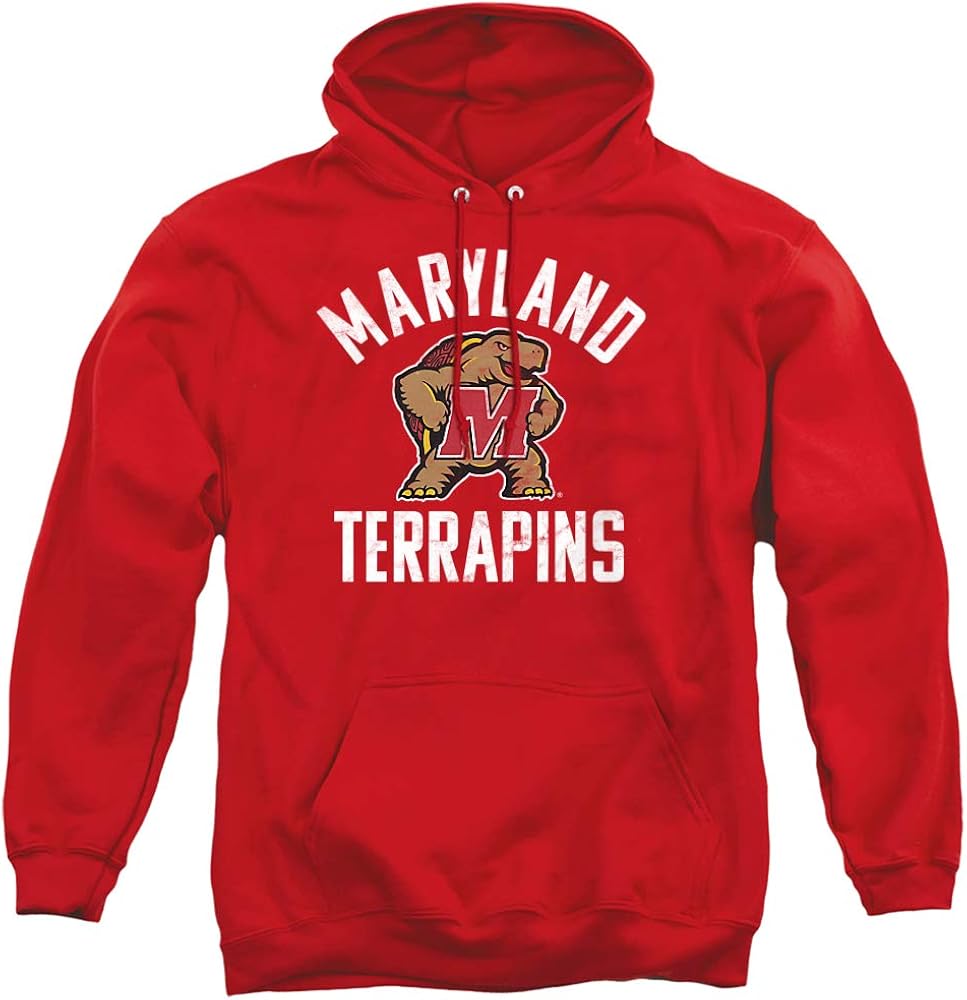
The college sports market is entering a new phase in 2026, moving beyond traditional merchandise into digital engagement. Maryland Athletics has partnered with PlayFly and Socios to introduce the first-ever fan tokens for collegiate programs. This pilot program places the university among the first five schools to test this technology, marking a significant shift in how fans interact with their teams.
These tokens operate as a form of cryptocurrency, offering holders specific voting rights and exclusive access to university events. The rollout coincides with the 2026 FIFA World Cup, which is hosted across the United States, Canada, and Mexico. The global surge in sports token interest during this period provides a fertile ground for collegiate adoption, as fans look for new ways to connect with their favorite institutions.
While the broader sports token landscape includes professional leagues, the college sector represents an untapped growth area. The Maryland initiative serves as a proof of concept for other universities considering similar digital partnerships. Investors and fans should monitor this development closely, as it may set the standard for how collegiate athletics monetize fan engagement in the coming years.
Best sports tokens to invest in 2026
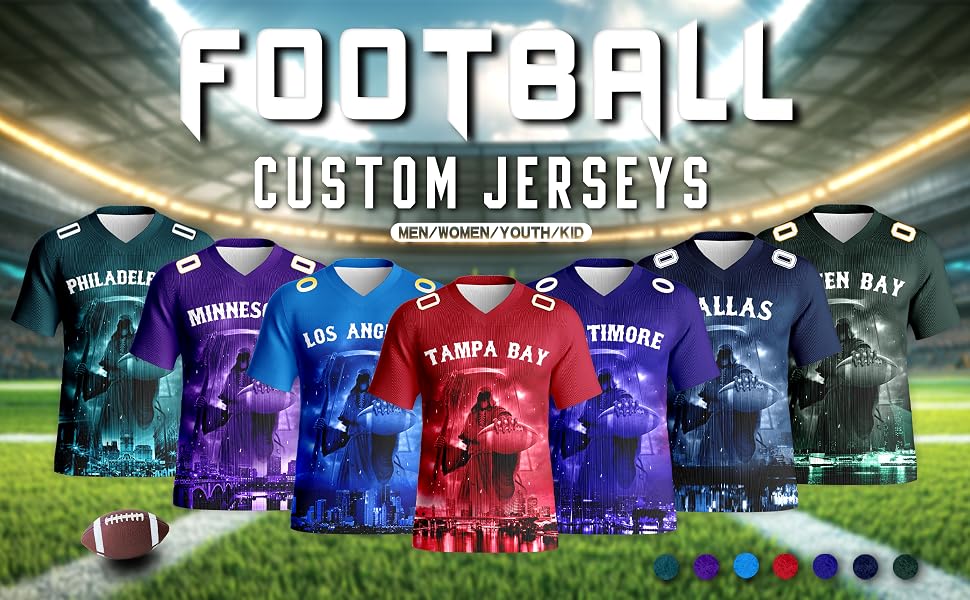
The 2026 FIFA World Cup, hosted across the United States, Canada, and Mexico, serves as the primary catalyst for the sports token market. With US regulators classifying fan tokens as digital collectibles and major events driving traffic, interest in tangible memorabilia has surged. Collectors are increasingly looking for physical merchandise tied to these digital assets to bridge the gap between blockchain utility and fan engagement.
Below are five specific collectibles and merchandise items linked to the top sports tokens and events of the year.


As an Amazon Associate, we may earn from qualifying purchases.
These items represent the intersection of digital finance and physical fandom. As the market shifts from experimental pilots to a structured landscape, owning tangible pieces of these tokens may offer collectors a unique way to participate in the 2026 sports crypto boom.
Frequently asked questions about sports tokens
What sports events are coming up in 2026?
The 2026 calendar is dominated by the FIFA World Cup in the United States, Canada, and Mexico. Other major events include the Winter Olympics in Milano Cortina and the World Baseball Classic. These tournaments drive the primary demand for fan tokens as clubs launch new engagement campaigns.
How does the 2026 World Cup affect token utility?
The World Cup serves as the central narrative for sports tokens this year. With the tournament kicking off in June, fan tokens like $ALPINE and $PSG are expected to see increased utility, offering holders exclusive voting rights and digital collectibles tied to the global event.
Are fan tokens regulated as securities?
In March 2026, US regulators classified fan tokens as digital collectibles rather than securities. This classification provides a clearer regulatory framework for holders, distinguishing these assets from traditional financial instruments and reducing compliance risks for sports clubs issuing them.
No comments yet. Be the first to share your thoughts!