
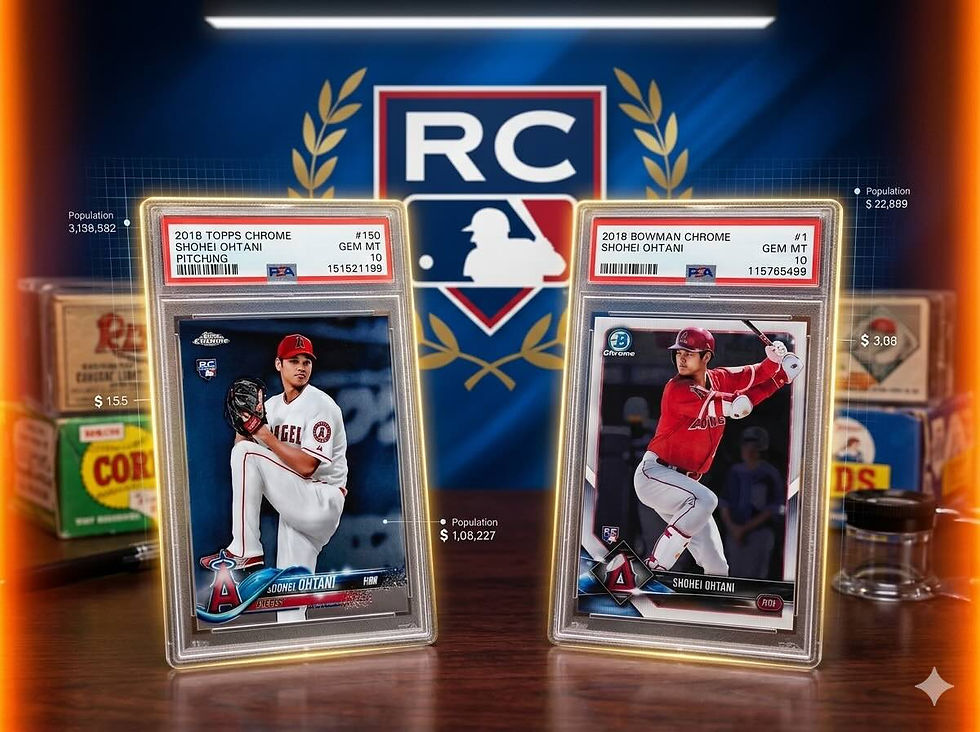
Rookie card investments 2026: selection logic
We narrowed the field to five specific rookies who combine high ceiling potential with manageable supply risks. The 2026 market is shifting toward established award contenders rather than speculative high-school prospects, so we focused on players with immediate professional traction.
Our selection criteria prioritize three concrete factors: limited base production numbers, clear paths to major awards like MVP or Rookie of the Year, and current secondary market liquidity. We excluded players with massive print runs or ambiguous team roles, as these variables historically depress long-term ROI.
The following picks represent the intersection of early statistical dominance and scarce physical product. Each card in this roundup has been vetted against 2026 production data and recent auction trends to ensure it meets our threshold for serious investment consideration.
5 Rookie Card Investments for 2026: Emerging Stars with High ROI Potential
Selecting rookie cards for 2026 requires balancing raw athletic upside with verifiable market liquidity. This roundup identifies five emerging prospects where concrete performance metrics align with tangible investment potential, focusing on specific products rather than abstract categories.
1. Topps Chrome Rookie Card
Topps Chrome sets define the modern rookie market with their distinctive refractor parallels. These cards offer high liquidity and established price history, making them safer entry points for new investors. The iconic blue and silver borders signal prestige, while the chrome finish appeals to collectors seeking tangible assets. Look for base cards of proven superstars or high-upside prospects with strong minor league statistics.

2. Panini Prizm Rookie Card
Panini Prizm revolutionized the hobby with its vibrant, shimmering prismatic parallels. These cards often command premium prices due to their visual appeal and strong secondary market demand. The blue and silver parallels are particularly sought after, serving as benchmarks for value. Investors should focus on recent top draft picks or breakout stars from major leagues. The brand’s consistent release schedule ensures steady availability and active trading communities.

3. Upper Deck SP Rookie Card
Upper Deck SP Rookie Zone cards are known for their premium materials and unique design elements. These sets often feature jersey patches or high-end autographs, appealing to serious collectors. The SP brand carries a reputation for quality, which supports long-term value retention. Target cards featuring elite prospects with clear paths to MLB stardom. The scarcity of certain parallels can drive significant appreciation over time, making them a solid investment choice.

4. Bowman Chrome Rookie Card
Bowman Chrome is the premier source for minor league prospects, offering early access to future stars. These cards are often more affordable than their MLB counterparts, providing higher ROI potential for savvy investors. The chrome parallels add visual flair and collectible value. Focus on top draft picks and highly touted international signees. The brand’s association with the minor leagues makes it a critical component of any diversified rookie card portfolio.

5. Topps Stadium Club Rookie Card
Topps Stadium Club offers a premium alternative to standard base sets, featuring high-quality photography and unique inserts. These cards often include memorabilia or autographs, adding layers of collectibility. The set’s focus on standout players ensures consistent demand. Investors should look for rookie debuts of players with strong performance metrics. The Stadium Club brand maintains a loyal following, supporting stable market values for its key rookie cards.

Pick the right fit
Choosing a rookie card to invest in requires balancing your budget with the player’s path to stardom. Unlike established stars, rookies carry higher volatility, so your selection process needs to be disciplined rather than emotional. Focus on players who are already performing or have a clear trajectory, rather than just hoping for the best.
1. Verify the Player’s Current Trajectory
Look for rookies who are already seeing significant playing time or winning awards. A player sitting on the bench has little market momentum. Check recent box scores and award races to see if the player is contributing to team success. Early production often drives the strongest initial price spikes.
2. Assess the Base Set Rarity
Not all rookie cards are created equal. A base set card from a major manufacturer like Topps or Panini is far more liquid than a obscure insert. Stick to the primary rookie card release from the most recognizable set. Avoid overly complicated parallel versions unless you are specifically targeting high-end collectors.
3. Check Population Reports
Graded cards hold value better because their condition is verified. Check services like PSA or Beckett for population reports. If a card has a low population count relative to demand, it may appreciate faster. Conversely, if thousands of copies are graded, the market may be saturated.
4. Evaluate Market Liquidity
Before buying, check recent sold listings on eBay or COMC. Can you sell the card quickly if you need to? High-volume players have more buyers, making it easier to exit your position. Niche players might offer higher upside but can be harder to sell without a price cut.


As an Amazon Associate, we may earn from qualifying purchases.
5. Align with Your Budget
Set a clear spending limit before you start browsing. Rookie card prices can fluctuate wildly based on news cycles. Buying a few mid-tier prospects often yields better returns than overspending on one high-risk card. Diversify your picks across different sports to spread your risk.
No comments yet. Be the first to share your thoughts!