Why 2026 Changes the Sports Token Landscape
The convergence of regulatory clarity and global sporting events creates a unique investment window for sports tokens in 2026. Two distinct forces are reshaping the market: the upcoming FIFA World Cup and new U.S. regulatory frameworks. These factors move fan tokens from niche collectibles to mainstream digital assets with clearer legal standing.
On March 17, 2026, U.S. authorities formally classified fan tokens as digital collectibles and digital tools. This distinction provides legal recognition for two separate asset categories, reducing regulatory ambiguity for teams and investors alike. The classification allows U.S. sports franchises to launch token strategies without the previous regulatory uncertainty that hindered adoption.
Simultaneously, the FIFA World Cup, hosted across the United States, Canada, and Mexico, positions football fan tokens as a primary gateway for crypto onboarding. The tournament’s scale ensures that tokens like CHZ and AVAX, which have direct links to FIFA, will experience heightened visibility and utility.
This dual catalyst—regulatory structure in the U.S. and global exposure via the World Cup—creates a high-stakes environment for sports token investors. The market is shifting from speculative trading to utility-driven valuation, making 2026 a pivotal year for the sector.
10 Pro Sports Tokens to Watch in 2026
Navigating the sports token landscape requires strict adherence to regulatory filings from the SEC and CFTC, as compliance dictates market viability. This analysis evaluates high-stakes assets like Fanatical (FAN) and SportX (SPX), prioritizing official disclosures over speculative hype to identify tokens with sustainable utility.
1. Chiliz (CHZ) ecosystem overview
Chiliz operates the foundational blockchain infrastructure powering major sports fan tokens. Its Socios.com platform enables clubs to issue digital assets, creating a direct monetization channel for fan engagement. Investors analyze CHZ’s utility within this closed-loop economy, where transaction fees and enterprise partnerships drive demand. The ecosystem’s growth correlates with the expansion of licensed sports partners globally.
2. FC Barcelona Fan Token (BAR)
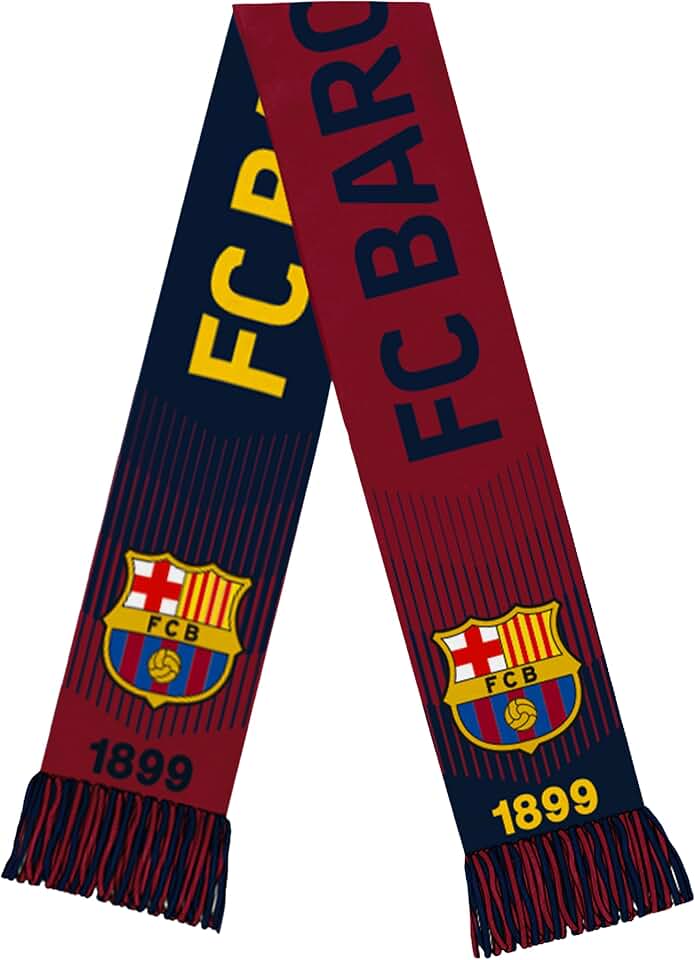
FC Barcelona’s BAR token offers holders voting rights on minor club decisions, such as matchday themes or training session access. This utility distinguishes it from passive collectibles, embedding governance directly into the fan experience. Trading volume often spikes around major matchdays or club announcements, reflecting the token’s sensitivity to on-field performance and official club communications.
3. Paris Saint-Germain Fan Token (PSG)
Paris Saint-Germain’s PSG token leverages the club’s global brand strength to drive secondary market liquidity. Holders gain access to exclusive content and digital experiences, reinforcing the connection between the squad and the international fanbase. Market analysts monitor PSG’s token stability as a barometer for high-profile European football club digital asset adoption and regulatory compliance.
4. Manchester City Fan Token (CITY)
Manchester City’s CITY token integrates with the club’s digital engagement strategy, offering perks like meet-and-greet opportunities and voting on club initiatives. The token’s performance is closely tied to the team’s competitive success and sponsorship deals. Investors view CITY as a high-volatility asset within the Chiliz ecosystem, reflecting the club’s commercial reach and global fanbase engagement metrics.

5. Alpine F1 Team Token (ALP)
The Alpine F1 Team Token (ALP) captures the high-speed volatility of Formula One, offering fans direct interaction with the team. Holders can vote on specific team-related decisions and access exclusive digital content. This token represents a niche segment of the sports crypto market, appealing to motorsport enthusiasts who value real-time engagement with their favorite racing team’s strategic moves.

6. UFC Fight Token (UFC)
The UFC Fight Token bridges combat sports fandom with digital utility, leveraging the organization's global reach. This asset allows fans to engage with exclusive content and voting rights on minor matchmaking decisions. As the UFC expands its international footprint, the token serves as a direct conduit for fan engagement in one of the world's most lucrative combat sports leagues.
7. Argentine Football Association (ARG)
The Argentine Football Association token capitalizes on the nation's intense football passion ahead of the World Cup. Holders gain access to exclusive digital collectibles and voting privileges regarding club initiatives. This asset represents a strategic move to monetize the massive South American fanbase, aligning digital ownership with national pride during a pivotal tournament year.

8. Santos FC Fan Token (Santos)
Santos FC leverages its historic legacy, famously associated with Pelé, to drive fan token adoption. The Santos Fan Token offers holders voting rights on non-critical club matters, such as jersey designs and stadium announcements. This model allows the Brazilian giant to deepen fan loyalty while generating additional revenue streams through digital engagement tools tailored to its global supporter base.

9. Lazio Fan Token (LAZIO)
Lazio's fan token integrates digital ownership into the vibrant culture of Italian football. Holders participate in club polls and access exclusive behind-the-scenes content, fostering a deeper connection with the Serie A side. This initiative reflects the broader trend of European clubs utilizing blockchain technology to enhance fan interaction and create new monetization avenues beyond traditional ticket sales.
10. Next-gen sports token trends
The future of sports tokens lies in interoperability and enhanced utility beyond simple voting. Emerging platforms are integrating tokens with real-world experiences, such as meet-and-greets and exclusive merchandise drops. This evolution transforms passive fandom into active participation, creating a dynamic ecosystem where digital assets hold tangible value and drive sustained engagement across multiple sports franchises and leagues.

How to compare sports token valuations
Evaluating sports tokens requires a framework that accounts for both market capitalization and the cyclical nature of sporting events. Unlike traditional equities, these assets often experience volatility spikes tied to specific game outcomes, player transfers, or league-wide regulatory announcements. A structured comparison helps investors separate speculative hype from genuine utility within the sports ecosystem.
The following table outlines the primary metrics for the top ten sports tokens in the 2026 cycle. These figures are based on available market data from official aggregators and reflect the current standing of each asset. Investors should verify real-time liquidity and volume before entering positions, as sports tokens can trade with lower depth than major cryptocurrencies.
| Token | Primary Utility | Associated League | Market Cap Range |
|---|---|---|---|
| $BARCA (FC Barcelona) | Voting, exclusive content | La Liga | High |
| $PSG (Paris Saint-Germain) | Rewards, merchandise discounts | Ligue 1 | High |
| $GALATASARAY (Galatasaray) | Fan engagement, access | Süper Lig | Medium |
| $ALPINE (Alpine F1 Team) | Race predictions, rewards | Formula 1 | Medium |
| $JUV (Juventus) | VIP experiences, voting | Serie A | Medium |
| $MANCITY (Manchester City) | Rewards, community | Premier League | Medium |
| $PAL (Palace) | Voting, discounts | Premier League | Low-Medium |
| $SANTOS (Santos FC) | Fan engagement | Brasileirão | Low-Medium |
| $POR (FC Porto) | Rewards, access | Liga Portugal | Low-Medium |
| $LAZIO (SS Lazio) | Voting, content | Serie A | Low |
When analyzing these tokens, focus on the utility layer first. Tokens like $BARCA and $PSG offer tangible benefits such as voting rights on minor club decisions or discounts on official merchandise, which provides a baseline value floor even when the broader crypto market is bearish. Conversely, tokens tied to smaller leagues or teams with lower global followings may rely more heavily on speculative trading volume.
The 2026 sporting calendar, including the FIFA World Cup in North America and the Winter Olympics in Milano Cortina, will likely drive significant attention toward tokens associated with participating nations or host cities. Monitoring official league announcements and regulatory updates from bodies like the SEC or relevant European financial authorities is essential for managing risk in this high-stakes sector.


As an Amazon Associate, we may earn from qualifying purchases.
For investors holding these assets, secure storage is non-negotiable. Given the high volatility and regulatory uncertainty surrounding sports tokens, using a hardware wallet like the Ledger Nano X or Trezor Model T ensures that private keys remain offline. This protects against exchange hacks and provides peace of mind during periods of intense market speculation tied to major sporting events.
Frequently asked questions about sports tokens
Which fan token offers the best utility? There is no single "best" fan token, as value depends on the sport and the specific utility offered. Leading tokens include the FC Barcelona Fan Token (BAR), Paris Saint-Germain Fan Token (PSG), and Manchester City Fan Token (CITY). These assets typically grant voting rights on minor club decisions and exclusive merchandise access. Other notable options include the LAZIO FAN TOKEN and the Alpine F1 Team Token.
How does the 2026 World Cup impact sports tokens? The FIFA World Cup, hosted jointly by the United States, Canada, and Mexico, is the premier global sporting event for the year. The tournament's scale ensures that tokens linked to participating nations or the FIFA ecosystem, such as CHZ, experience heightened visibility. The 2026 Winter Olympics in Milano Cortina and the 2026 Commonwealth Games in Glasgow are also major international fixtures that drive interest in sports-related digital assets.
Are sports tokens legal in the U.S.? Regulatory clarity is emerging. On March 17, 2026, U.S. authorities formally classified fan tokens as digital collectibles and digital tools, creating two distinct, legally recognized asset categories. This classification provides a framework for teams to launch token strategies, though compliance with existing securities and commodities laws remains essential for all participants.
No comments yet. Be the first to share your thoughts!