
Top 2026 Topps Series 1 Rookie Cards
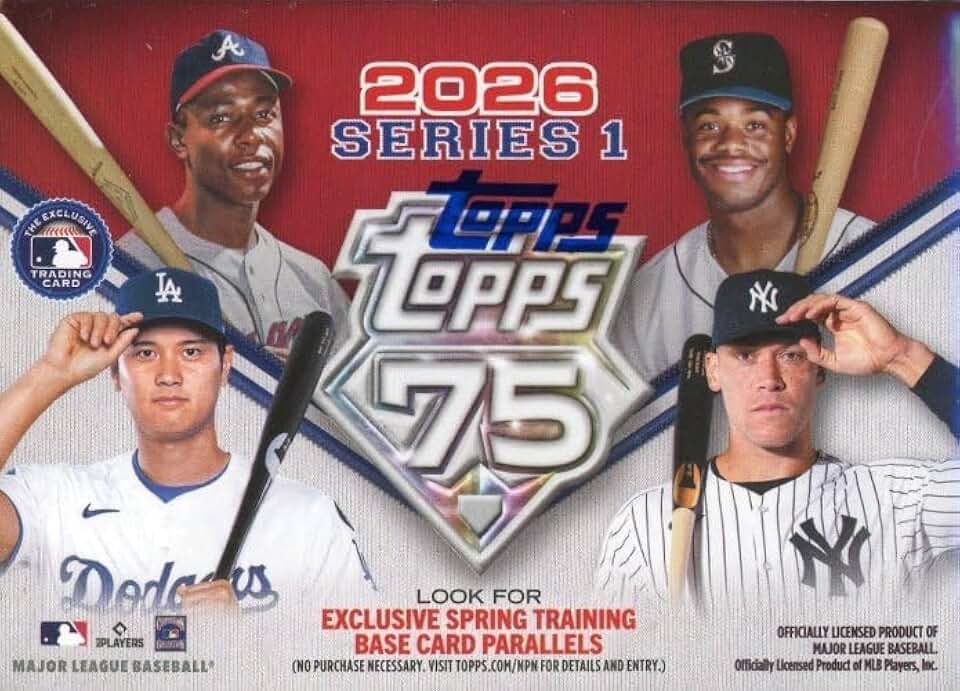
The 2026 Topps Series 1 Baseball set serves as the definitive baseline for the season's rookie card market. As the flagship product from Topps, it captures the first wave of major league debuts, providing the primary data points for collectors assessing rookie potential. Unlike later series that focus on inserts or parallel variations, Series 1 establishes the foundational base set where most serious rookie investments begin.
The most anticipated rookies in this release include Roman Anthony, Jac Caglianone, Jonah Tong, Jacob Misiorowski, and Payton Tolle. These players represent the highest-traffic entries in the 2026 rookie cards category, drawing significant attention from both hobbyists and institutional buyers. Tracking their base card performance provides a reliable indicator of broader market sentiment for the season.
Investing in 2026 rookie cards requires focusing on verified sales data rather than pre-release hype.
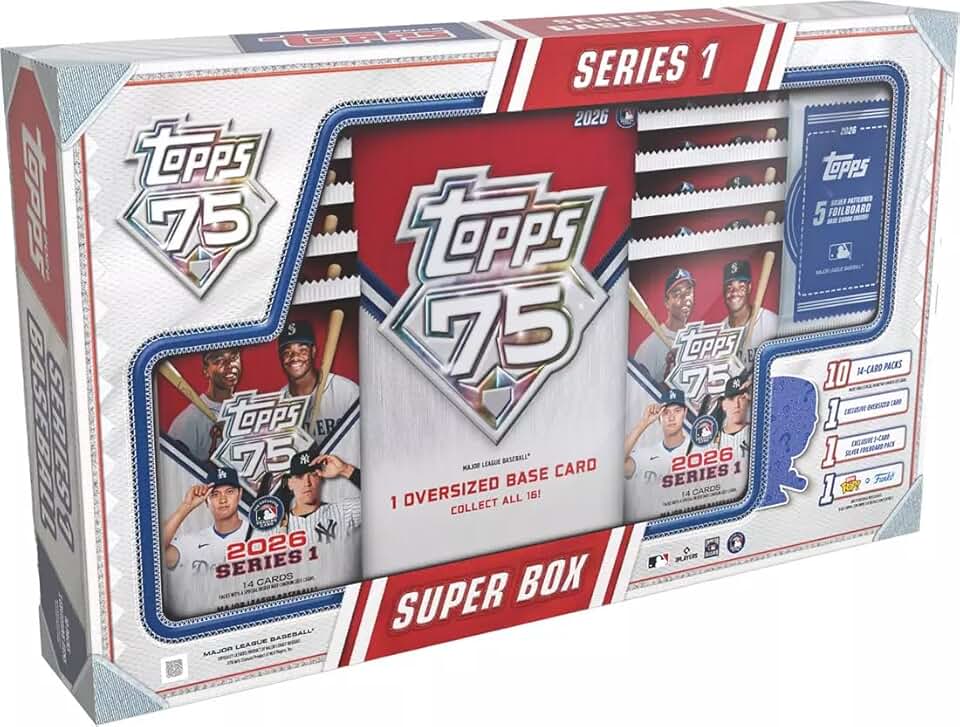
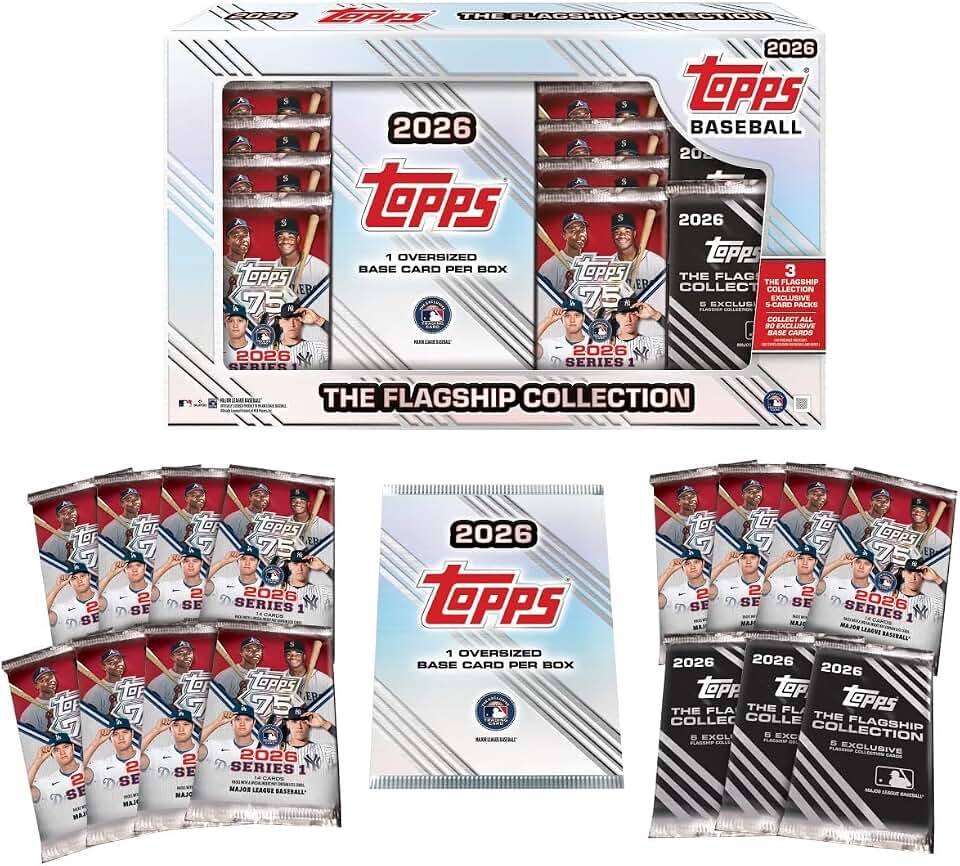
For concrete market exposure, the following Amazon listings offer direct access to hobby boxes and individual rookie card singles. These products represent the primary entry points for acquiring verified 2026 Topps Series 1 inventory.


As an Amazon Associate, we may earn from qualifying purchases.
Best 2026 Topps Series 2 Rookie Cards
The mid-season flagship update from Topps serves as a critical checkpoint for collectors tracking 2026 rookie cards. Released after the initial May roster, Series 2 captures players who broke out late or were added to the set following the Series 1 cutoff. For investors, this set offers a chance to acquire high-upside assets at a lower entry point before the secondary market fully prices in their early-season performance.
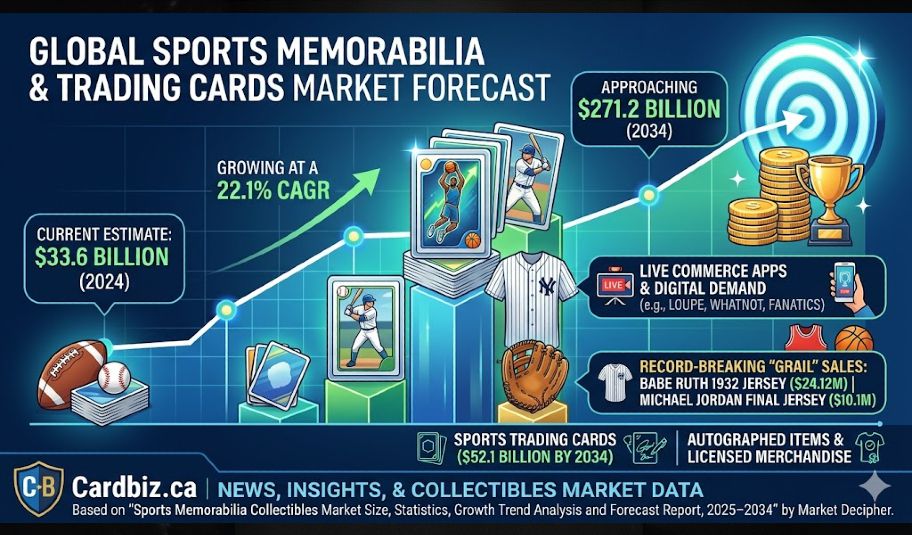
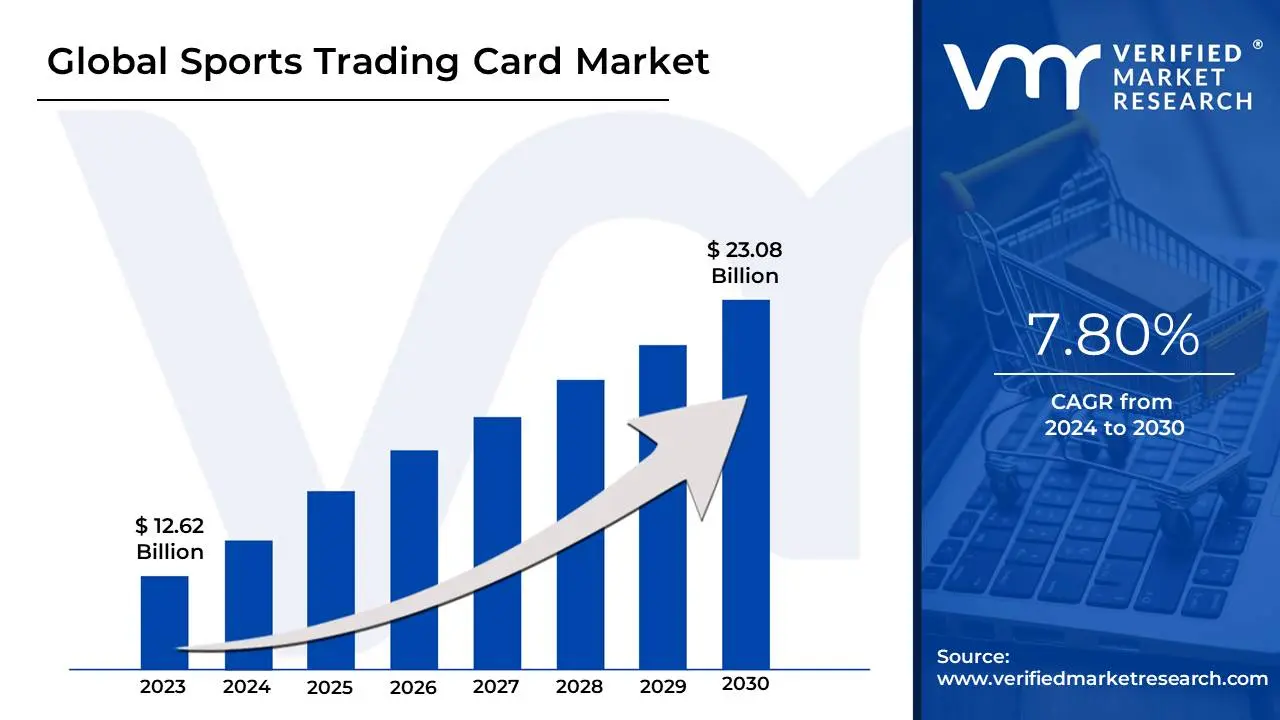
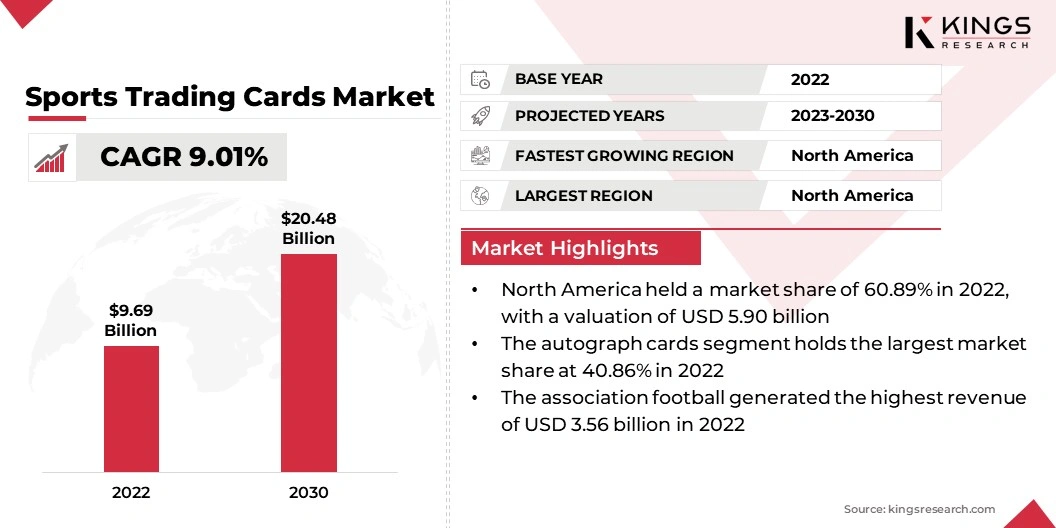
The market for these mid-year debuts is distinct. While Series 1 sets the baseline, Series 2 rookies like Roman Anthony and Trey Yesavage provide a second wave of demand. Data from verified market research indicates that trading card valuations are increasingly tied to real-time player performance rather than static brand prestige. Tracking these cards requires monitoring live sales data rather than relying on list prices, which often lag behind actual market value.
Below is a comparison of the most prominent prospects found in both Series 1 and Series 2, highlighting the specific value differences between the two releases.
| Player | Series 1 Base | Series 2 Base | Investment Note |
|---|---|---|---|
| Roman Anthony | Limited Print Run | Standard Base | Higher liquidity in Series 2 due to broader availability. |
| Trey Yesavage | Not Included | Standard Base | Pure Series 2 rookie; primary target for late-breaking upside. |
| Tatsuya Imai | Not Included | Standard Base | International prospect with growing domestic interest. |

As an Amazon Associate, we may earn from qualifying purchases.
2026 Rookie Cards: High-Value Parallels and Inserts
The base card is the floor; parallels and inserts are the ceiling. In the 2026 rookie card market, value is rarely found in the standard silver foil. Collectors and investors target specific subsets—Red, Blue, Gold, and branded inserts like Heavy Lumber or Greatest Hits—to mitigate risk and capture upside. These variations are not merely aesthetic; they dictate liquidity and long-term appreciation potential.
The Parallel Multiplier Effect
Paralleles are color-coded or textured versions of a base card, produced in limited quantities. A "Gold" parallel, for instance, might be printed in a run of 50, while a "Red" parallel could be limited to 25. This scarcity creates a direct price multiplier. While a base rookie card might trade for a few dollars, a low-numbered Gold parallel of the same player can command ten times that value, provided the player performs.
This multiplier is not automatic. It depends on the player's trajectory. Chasing a Gold parallel of a prospect who fails to make the roster is a high-risk move with little secondary market recovery. Conversely, a Blue parallel of a confirmed star offers a safer, albeit lower, appreciation curve than the ultra-rare Gold.
Insert Sets: Narrative and Scarcity
Inserts differ from parallels in that they feature unique artwork, design, or thematic content. Sets like Heavy Lumber (focusing on power hitters) or Greatest Hits (retro-style designs) add a narrative layer that appeals to niche collectors. These cards often have smaller print runs than even the highest-tier parallels, making them highly sought after by completists.
For 2026, Topps Series 1 and Series 2 will continue to rely on these insert sets to drive engagement. The value of an insert rookie card is tied to two factors: the prestige of the set and the player's visibility. A Heavy Lumber card of a home-run leader will outperform a generic insert of a bench player, regardless of parallel status.
Strategic Acquisition
Avoid the trap of buying every parallel. Focus on one or two key players per season. If you believe in a prospect like Roman Anthony or Jac Caglianone, securing a single high-parallel version is more effective than holding multiple low-parallel cards. The market rewards depth in a single asset over breadth in many.
Always verify the print run before purchasing. Official Topps documentation or reputable price guides provide the only accurate data on scarcity. Do not rely on seller descriptions, which may omit critical details like "1/1" (one-of-one) or "short-print" status.

As an Amazon Associate, we may earn from qualifying purchases.
The 2026 rookie card landscape favors disciplined collectors. By focusing on verified scarcity and player potential, you can manage the noise of hype and build a portfolio of 2026 rookie cards that holds real value.
Market Trends for 2026 Sports Trading Cards
The 2026 rookie card market is currently defined by verification rather than speculation. With the influx of new series releases, buyers face significant risk if they rely on hype alone. The primary driver of value for 2026 rookie cards remains the stability of graded prices on established platforms like Sportscardspro. Investors should prioritize assets with clear historical sales data over unverified auction listings.
Demand is shifting toward specific prospects with proven collegiate or minor league performance. Generic "high ceiling" picks are seeing reduced liquidity compared to players with tangible statistical milestones. When evaluating 2026 rookie cards, focus on the secondary market's actual transaction volume. A card may look promising in a box, but its investment potential is only confirmed by consistent trading activity.
To mitigate risk, use live price trackers to monitor real-time fluctuations before purchasing. This approach removes emotional bias from the acquisition process and ensures you are paying a fair market value. The following widget displays current pricing data for a key 2026 rookie card, illustrating how quickly market conditions can shift.
Checklist for Buying 2026 Rookie Cards
Purchasing 2026 rookie cards requires a disciplined approach to risk mitigation. The market is flooded with high-value prospects, but authenticity and condition are the primary determinants of long-term value. Use this checklist to verify every purchase before committing capital.
Confirm the card is explicitly labeled as a Rookie Card (RC). In the 2026 Topps Series 1 and Series 2 sets, only specific cards count as official rookies. Look for the "RC" stamp or check the manufacturer’s checklist to ensure the player’s first licensed appearance is captured on this specific card.
Buy only from verified sellers or official Topps distributors. For high-value singles, require third-party authentication from PSA, BGS, or SGC. Never purchase ungraded 2026 rookie cards from peer-to-peer marketplaces without proof of origin or a money-back guarantee against counterfeits.
Even for ungraded cards, physical condition dictates liquidity. Check for sharp corners, clean edges, and proper centering. Misaligned centers or white edges significantly reduce resale value. If buying graded, ensure the grade reflects the actual physical state; do not rely solely on the label.
Do not guess prices. Use live price trackers and recent sold listings to determine fair market value. Prices for prospects like Roman Anthony or Jac Caglianone can fluctuate rapidly based on minor league performance. Set alerts for specific 2026 rookie cards to buy only when the spread between asking price and market value is favorable.

As an Amazon Associate, we may earn from qualifying purchases.
Frequently Asked Questions About 2026 Rookie Cards
When are 2026 Topps Series 1 and Series 2 released?
2026 Topps Series 1 Baseball cards typically hit shelves in late summer or early fall, while Series 2 follows in the new year. Tracking official Topps release calendars is the only way to time your purchases correctly and avoid buying expired inventory at inflated prices.
Who are the top rookies to target in 2026 Topps Series 1?
Based on current prospect rankings, the primary targets for 2026 Topps Series 1 include Roman Anthony, Jac Caglianone, Jonah Tong, Jacob Misiorowski, and Payton Tolle. These players represent the highest ceiling for value appreciation in the base set.
Which rookies are featured in 2026 Topps Series 2?
Series 2 expands the prospect pool with additional high-upside names. Key rookies to look for include Roman Anthony, Trey Yesavage, and Tatsuya Imai. Since Series 2 often contains different parallel variations, verifying the specific card type is essential before purchasing.
How should I store 2026 rookie cards to protect their value?
Rookie cards are physical assets that degrade without proper preservation. Store all cards in top-loaders or penny sleeves within rigid cases, kept in a climate-controlled environment away from direct sunlight. This mitigates the risk of centering issues, creases, and yellowing that destroy resale value.
Is buying 2026 rookie cards a safe investment?
Trading cards are a speculative asset class with high volatility. Never invest capital you cannot afford to lose. Always cross-reference current market data on verified price trackers before making a purchase, as hype often outpaces actual liquidity for newer releases.
No comments yet. Be the first to share your thoughts!