Why 2026 Topps Series 1 matters
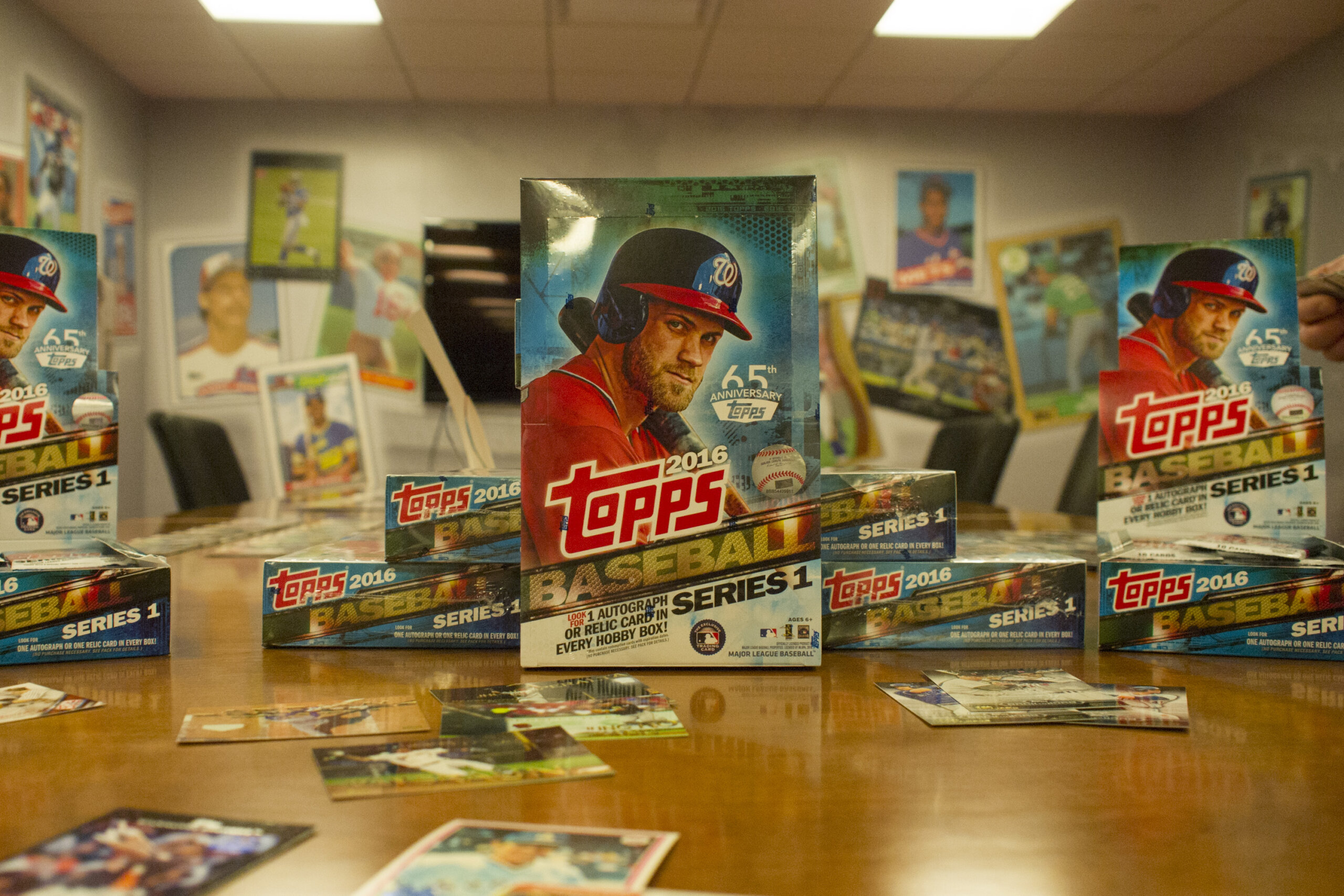
The 2026 Topps Series 1 Baseball set serves as the primary flagship release for the current season, establishing the baseline for rookie card (RC) collecting. Unlike update sets or premium insert series that circulate sporadically throughout the year, Series 1 is the first major wave of factory-sealed product. This timing makes it the most critical release for identifying true rookies, as it captures the first official trading card appearances of the season's top prospects.
For collectors, the distinction between a prospect card and a rookie card is fundamental. While players may appear in previous years as minor leaguers or prospects, their "RC" designation officially begins with their first appearance in a major commercial set. Series 1 provides this definitive starting point. As noted by hobby experts, this release contains the first rookie cards for all the 2026 breakout candidates, making it the essential foundation for any long-term collection.
The market significance of this release cannot be overstated. Because it is the first widely available product of the year, demand is highest, and the pool of available base cards is largest. Collectors who wait for later premium sets or insert series often miss the opportunity to acquire base rookie cards at their most accessible entry points. The 2026 Topps Series 1 Baseball set remains the central gravity for rookie card hunting, offering the clearest path to building a competitive foundation for the season's most promising talent.
Top Prospects to Chase in Series 1
The 2026 Topps Series 1 release brings a fresh wave of talent to the hobby, and identifying the right rookie cards early can set the tone for your collection. While the full roster is extensive, several names stand out due to their high ceilings, team situations, and immediate visibility in the majors. These prospects offer the best balance of current relevance and future potential, making them the most logical targets for collectors looking to build value.
Roman Anthony remains the headline act for the Boston Red Sox. His combination of five-tool potential and polished swing makes him a cornerstone piece for any portfolio. Similarly, Jacob Misiorowski offers a unique profile as a left-handed pitcher with elite velocity, providing a different angle on the pitching prospect market. For those interested in power, Jac Caglianone’s development in the minors has been steady, positioning him as a consistent offensive force.
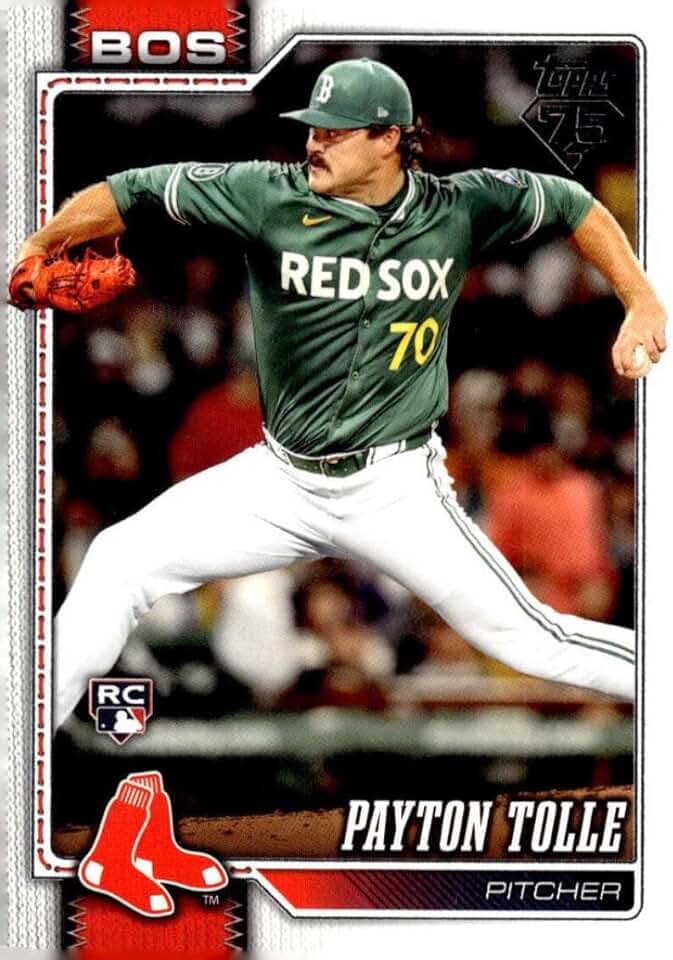
The market for 2026 rookie cards is shifting as quickly as the players themselves. What looks like a solid investment today can change with a single call-up or injury report. Staying focused on players who are actually getting time in the big leagues helps mitigate risk. The cards below represent the most accessible entry points into these top-tier prospects, ensuring you can grab a piece of the action without waiting for secondary market prices to inflate.


As an Amazon Associate, we may earn from qualifying purchases.
Best Base Cards and Parallels to Buy
The 2026 Topps Series 1 release brings a wave of highly anticipated MLB rookies, but not all cards hold the same value or accessibility. For most collectors, the decision isn't just about who the player is, but which version of the card fits your budget and collecting style. Base cards offer the most straightforward entry point, while parallels add a layer of rarity that can significantly impact long-term value.
Base Card Essentials
Base cards are the foundation of any set. In 2026 Topps Series 1, these feature the primary rookies like Roman Anthony, Jac Caglianone, and Jonah Tong. They are widely available in hobby boxes and retail packs, making them easy to acquire. For collectors focused on building a complete set or acquiring high-quality examples of top prospects, base cards provide the best balance of cost and availability. They serve as the essential reference point for each player's debut in the Topps universe.
Parallel Variations
Parallels are colored or textured versions of the base cards, ranging from common silver parallels to ultra-rare gold or refractor editions. These variations appeal to collectors who want something more distinctive than the standard base. While a silver parallel might cost slightly more than a base card, a gold parallel can command a premium due to its limited print run. For investors, rare parallels often appreciate faster because of their scarcity, but they require a higher upfront investment. Understanding the hierarchy of parallels helps you decide where to allocate your funds.
Comparing Options
The table below breaks down the typical characteristics of the most sought-after rookie variations in this release. Use this comparison to identify which card type aligns with your collecting goals, whether that's affordability, rarity, or specific player focus.
| Card Type | Availability | Typical Price Range | Best For |
|---|---|---|---|
| Base Card | High | $0.50 - $5.00 | Set building and budget collecting |
| Silver Parallel | Medium | $2.00 - $15.00 | Collectors wanting a step up |
| Gold Parallel | Low | $10.00 - $50.00+ | Rarity seekers and investors |
| Refraction | Very Low | $20.00 - $100.00+ | Premium collectors |
Choosing Your Path
If you are new to the hobby, starting with base cards of top prospects like Roman Anthony or Payton Tolle is a smart move. You get the player and the design without the premium price tag. If you have more experience, consider targeting gold parallels or refractors for your favorite rookies, as these are the cards that tend to hold value best over time. Remember, the "best" card is the one that fits your budget and brings you joy to hold.
Grading and Protecting Your 2026 Rookies
A raw rookie card is just paper until it enters the market. PSA grading transforms a collectible into a liquid asset by providing an independent, standardized assessment of its condition. For 2026 Topps Series 1 releases, this distinction is the difference between a card that sits in a binder and one that trades hands at high-value auctions. The grading slab acts as a permanent, tamper-proof certificate of authenticity that buyers trust implicitly.
When to Submit for Grading
You should only submit your most valuable rookies to PSA. The cost of grading—typically $20 to $40 per card for standard services—eats into margins for low-value issues. Focus your submissions on high-end parallels, short-print inserts, and base cards featuring top-tier prospects like Kevin McGonigle or Munetaka Murakami. If a card’s market value is under $50, the grading fee will likely exceed the potential price bump, making it a poor investment.
Protecting Cards Raw
For the majority of your collection, proper raw storage is more practical. Use rigid top loaders and penny sleeves to prevent surface scratches and edge wear during handling. Store cards in a cool, dry environment away from direct sunlight to prevent fading and warping. This approach preserves the card’s condition for future grading while allowing you to enjoy and trade your collection without the risk of damage during the submission process.
The PSA Advantage
PSA remains the industry standard for baseball card valuation. Their population reports provide transparency, showing exactly how many cards of a specific grade exist in the market. This data helps you determine rarity and fair market value. When you see a PSA 10 on a 2026 Topps rookie, you know it has passed the strictest criteria for centering, corners, edges, and surface. This confidence drives demand and ensures your investment holds its value over time.
Frequently Asked Questions About 2026 Rookies
Which 2026 Topps Series 1 rookies are the most promising?
The 2026 rookie class features a mix of high-profile draft picks and international signings. LUDEX highlights Roman Anthony, Jac Caglianone, Jonah Tong, Jacob Misiorowski, and Payton Tolle as the top prospects to chase in the base set. Yahoo Sports rankings also point to Kevin McGonigle (Detroit Tigers), Sal Stewart (Cincinnati Reds), and Nolan McLean (New York Mets) as standout names for collectors looking at the broader 2026 rookie landscape.
Are 2026 Topps Series 1 rookie cards worth buying now?
Buying early is often the best strategy for rookie cards, especially for players with high ceilings like Roman Anthony. Base cards are affordable entry points, but parallel versions (like Gold or Blue) can appreciate faster if the player succeeds in the majors. Since the hobby relies heavily on future performance, securing these cards before the season starts locks in current market prices.
How do I verify if a 2026 rookie card is authentic?
Always purchase from reputable sellers who offer authentication guarantees. Look for holographic stickers on packs and check for clear printing on the card edges. If buying graded cards, ensure the grading service (PSA, Beckett, SGC) is recognized and the population report matches the card's serial number. Avoid deals that seem too good to be true, as counterfeits of popular rookies like Jac Caglianone are common.
No comments yet. Be the first to share your thoughts!