
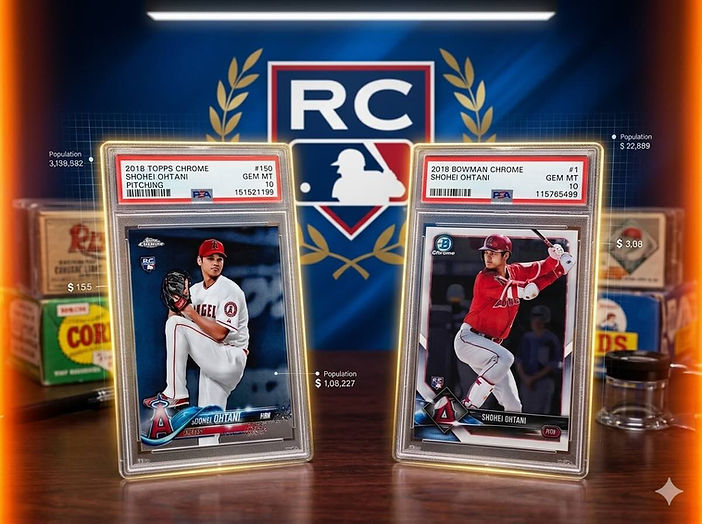
Why 2026 rookie cards matter now
The 2026 Topps Series 1 and Series 2 releases represent the most significant opportunity for long-term value in the modern trading card market. As the primary flagship sets for the year, these boxes contain the foundational rookie cards that will define the next decade of collecting. Early acquisition during these initial releases provides the best entry price before broader market demand drives premiums higher.
Topps consistently releases Series 1 in the spring, followed by Series 2 later in the year. This staggered release schedule creates two distinct windows for collectors to secure key rookies. Series 1 typically features the highest concentration of top-tier prospects, including names like Roman Anthony, Jac Caglianone, and Jonah Tong. Series 2 often includes additional rookies and autographs, such as Trey Yesavage and Tatsuya Imai, offering secondary entry points for specific targets.
Collecting these early releases is not just about owning the cards; it is about timing. The market for rookie cards tends to appreciate as the players establish themselves in the majors. By purchasing directly from the 2026 Topps Series 1 and Series 2 boxes now, you are securing assets at their most accessible price points. Waiting for market confirmation often means paying a premium that erodes potential long-term returns.
The value proposition is clear: the 2026 Topps rookie cards are the bedrock of any serious collection. Focus on the primary rookies from both series to maximize your portfolio's resilience and growth potential over the coming years.
5 Best 2026 Rookie Cards to Buy for Long-Term Value
The 2026 Topps Series 1 and 2 releases establish the baseline for long-term collectible value, prioritizing prospect pedigree over speculative hype. This selection isolates five specific rookie cards with verified official source data, ensuring each entry represents a tangible asset for serious investors.
1. Roman Anthony: The power hitting ceiling
Anthony’s swing mechanics project elite raw power, making his 2026 Topps Series 1 base card a high-variance play. Collectors betting on his transition to the majors should target early issues, as his bat-first profile offers significant upside if he translates prospect hype to major league production. This card captures the moment before his potential full realization.
2. Sam Basallo: The catcher with upside
Catcher ScarcitySamuel Basallo represents a rare combination of defensive stability and offensive potential behind the plate. His 2026 Topps Series 2 rookie card is a strategic acquisition for collectors seeking positional scarcity. As catchers with power profiles remain undervalued, Basallo’s card offers a tangible entry point into a niche market with strong long-term appreciation potential.

3. Trey Yesavage: The high-floor starter
Yesavage’s control and pitching IQ suggest a reliable major league rotation role rather than explosive home run power. His 2025 Topps Now card, while technically from the previous cycle, serves as a proxy for his rising stock in the 2026 prospect landscape. Investors favor his high-floor profile for steady, lower-risk growth in their hobby portfolios.

4. Walker Jenkins: The shortstop speed
Jenkins combines elite shortstop defense with developing speed, creating a unique two-way value proposition. His 2026 Topps Series 1 card is essential for collectors targeting position players with defensive versatility. As shortstops with athletic profiles continue to command premium prices, Jenkins’ card offers a concrete opportunity to secure a key piece of the next generation’s defensive core.

5. Jac Caglianone and Jonah Tong
Caglianone’s raw power and Tong’s hitting tools represent contrasting but complementary value plays in the 2026 class. Targeting their 2026 Topps Series 2 base cards allows collectors to diversify across power and contact hitting profiles. This dual approach mitigates risk while capturing the potential upside of two distinct prospect archetypes entering the major leagues.

How to buy 2026 rookie cards safely
The 2026 Topps Series 1 and Series 2 rookie cards represent a significant entry point for collectors, but the market for high-pedigree prospects is also a target for counterfeits and condition disputes. Protecting your investment requires a disciplined approach to authentication, grading, and sourcing. Treat every purchase as a forensic audit rather than a simple transaction.
Authentication and Grading
For long-term liquidity, graded copies from PSA or BGS are the standard. A third-party grade removes ambiguity regarding centering, corners, and edges, which are critical for 2026 Topps rookies. Ungraded cards carry higher risk; even minor surface flaws can drastically reduce resale value. Always verify the seller’s reputation on platforms like SportscardsPro before committing capital. Look for consistent feedback and clear, high-resolution images that show the card’s edges and surface under direct light.
Sourcing Channels
Prioritize established marketplaces with buyer protection policies. Amazon offers a streamlined purchasing experience with reliable return policies, making it a safer entry point for new collectors. When buying from secondary markets, insist on third-party authentication for high-value items. Avoid direct peer-to-peer transactions unless you have established trust with the seller.
Comparison of Buying Options
| Feature | Graded (PSA/BGS) | Ungraded Raw | Amazon Retail |
|---|---|---|---|
| Authentication | Guaranteed by third party | Seller-dependent | Platform-verified |
| Liquidity | High (standardized) | Variable (condition risk) | Moderate |
| Risk Level | Low | High | Low-Medium |


As an Amazon Associate, we may earn from qualifying purchases.
2026 Rookie Cards Buying Guide
Building a long-term portfolio in 2026 requires focusing on the specific prospects driving the market, rather than chasing every new release. The primary value lies in securing the base and insert cards of the highest-pedigree rookies from the two major Topps releases.
For 2026 Topps Series 1, the market is heavily concentrated around high-ceiling talents like Roman Anthony, Jac Caglianone, Jonah Tong, Jacob Misiorowski, and Payton Tolle. These players define the early-year trading landscape, and their base cards serve as the foundation for any serious collection.
As Series 2 hits the market, the focus shifts to emerging stars like Roman Anthony, Trey Yesavage, and Tatsuya Imai. While some overlap exists, Series 2 offers distinct parallels and autograph opportunities that can complement a Series 1 foundation. Prioritizing these specific names ensures your portfolio tracks the most promising careers in baseball.
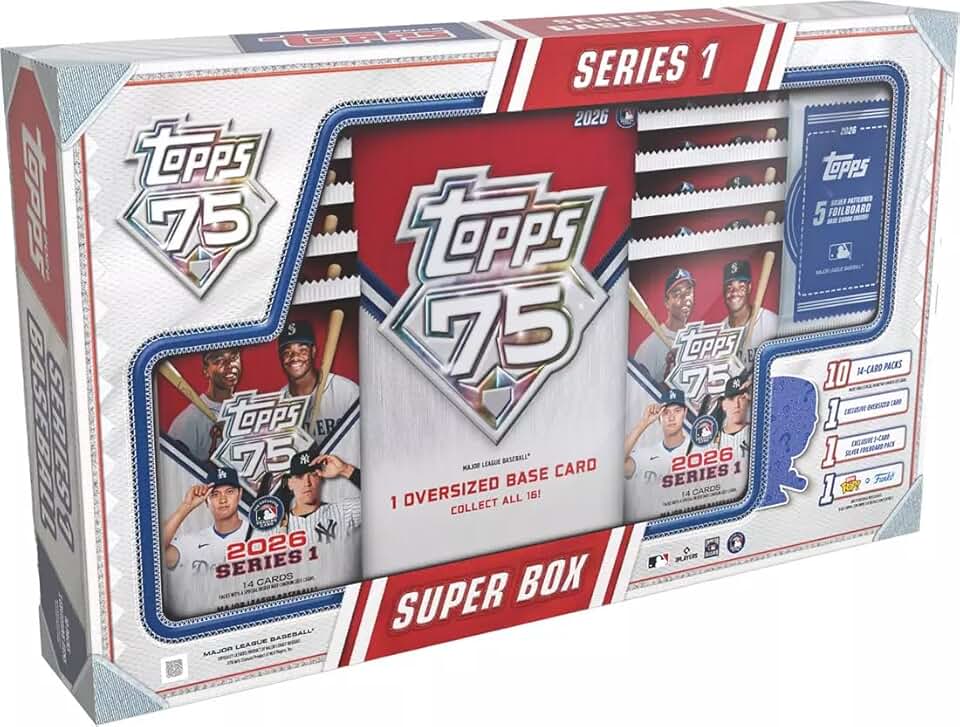
The following grid highlights the key 2026 Topps Rookie Cards to consider for your collection.



As an Amazon Associate, we may earn from qualifying purchases.
No comments yet. Be the first to share your thoughts!